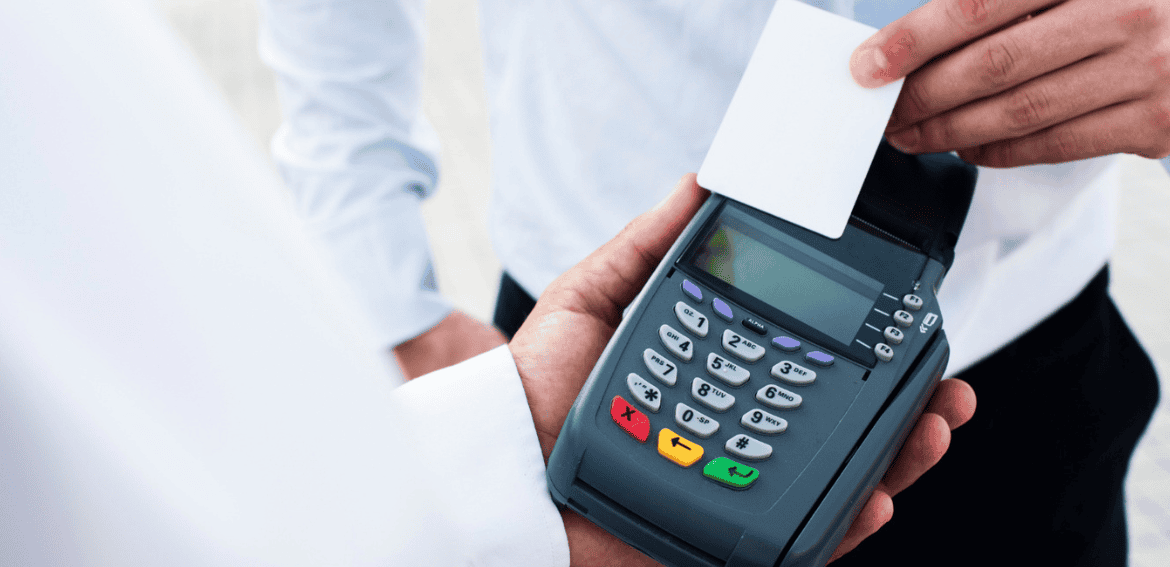
Payment terminals are an essential part of modern business operations. Retail stores, restaurants, service providers, healthcare clinics, and many other organisations depend on these devices to accept credit cards, debit cards, contactless payments, and digital wallets. Customers expect transactions to be quick and convenient, but they also expect their financial...
Retail Checkout Innovation Trends Businesses Should Watch in 2026

The retail sector keeps on developing at an amazing pace. The customer needs keep on changing, technology is developing, and companies are looking for new methods to enhance their effectiveness and the customer experience. One of such areas, which has undergone drastic changes, is the process of checkout. Previously, this...
How Cloud POS Systems Improve Multi-Location Business Operations
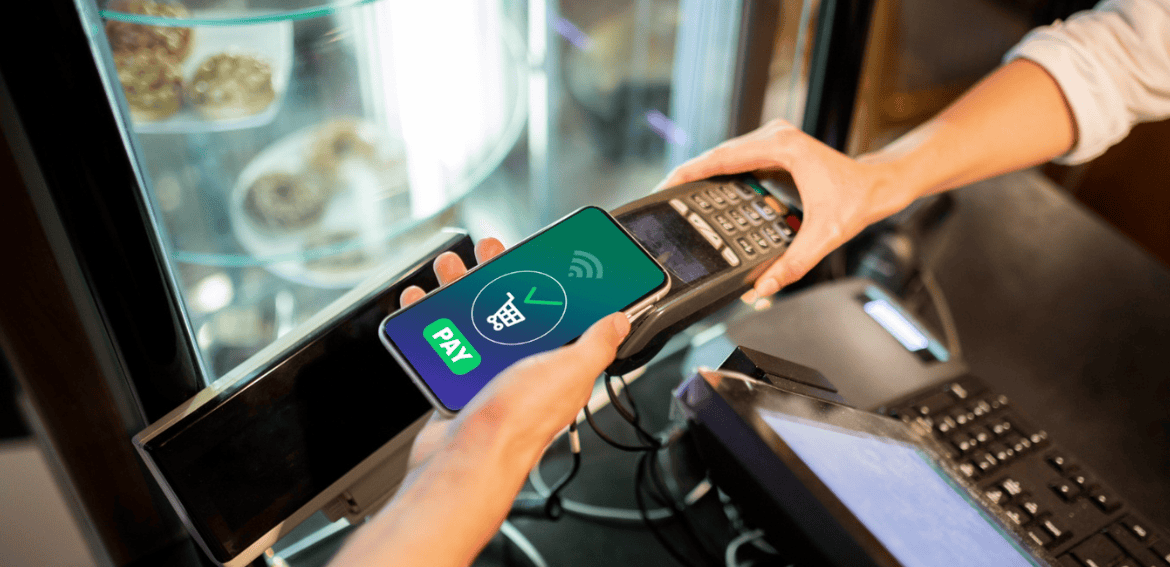
Expanding a retail business from one location to several is an exciting milestone, but it also introduces a new level of operational complexity. What was once a simple process of tracking sales, managing inventory, and supervising employees now involves coordinating multiple stores, maintaining consistent pricing, monitoring stock across locations, processing...
Why Checkout Speed Has Become a Competitive Advantage for Retailers
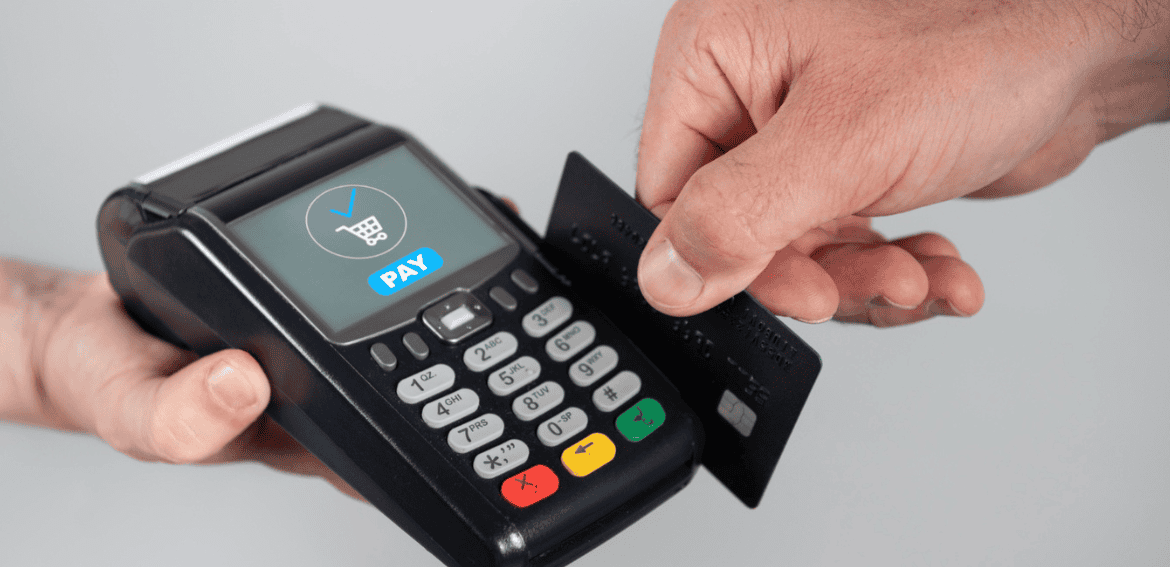
Retail has changed dramatically over the past decade. Customers now have more choices than ever before, both online and offline. They can compare prices instantly, switch between brands with minimal effort, and expect seamless service regardless of where they shop. In this environment, retailers are no longer competing only on...
NFC Payment Terminals: How NFC and Contactless Payments Are Reshaping Modern Checkout Experiences
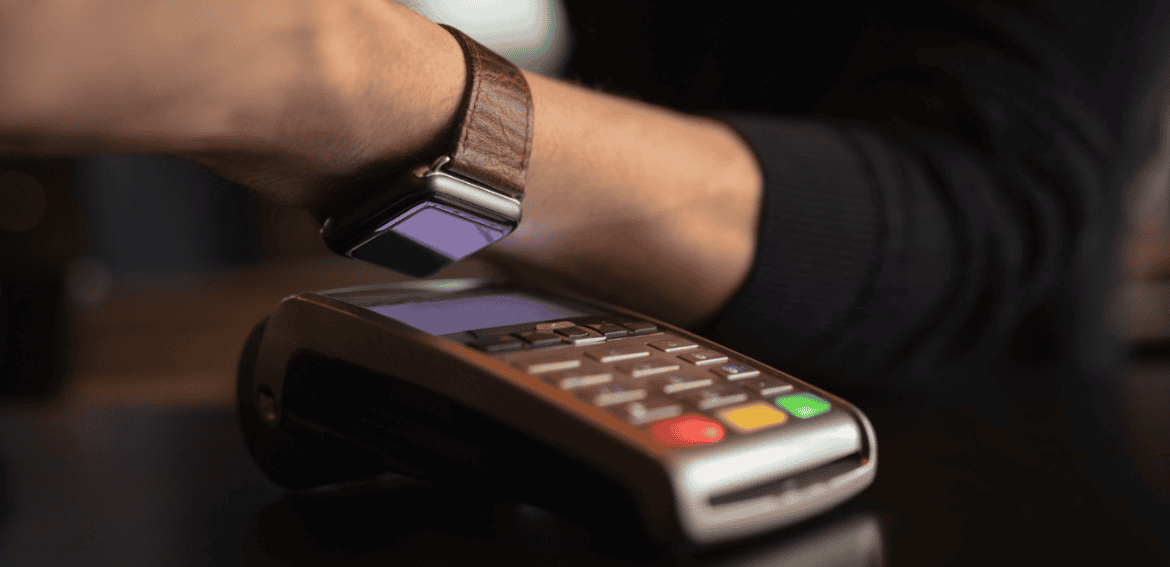
The checkout moment has always been the final test of a retail or food service experience, the point where everything that happened before it either concludes smoothly or unravels in frustration. For decades, this moment was defined by the physical mechanics of payment, the wallet search, the card swipe, the...
Change Payment Processor: When Should a Small Business Switch Payment Providers? A Cost-Benefit Analysis
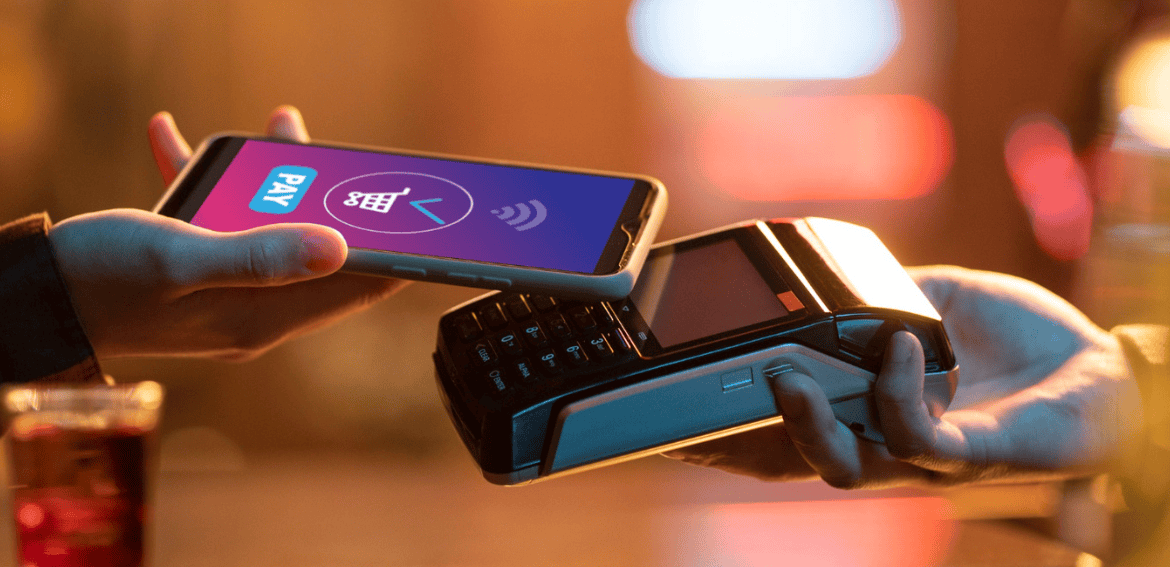
The payment processor relationship is one of those business relationships that most small business owners set up once and then largely ignore until something goes wrong. You fill out the application, get approved, receive the terminal or the API credentials, and start accepting cards. The fees come out automatically each...
Debit vs Credit Card Fees: How Payment Mix Affects Processing Fees

Most small business owners know they are paying fees to accept card payments. Fewer understand that the type of card a customer uses at the register has a direct and sometimes significant impact on how much that transaction actually costs to process. A customer paying with a basic debit card...
Flat Rate Processing vs Tiered Pricing: Which Processing Model Saves More Money?
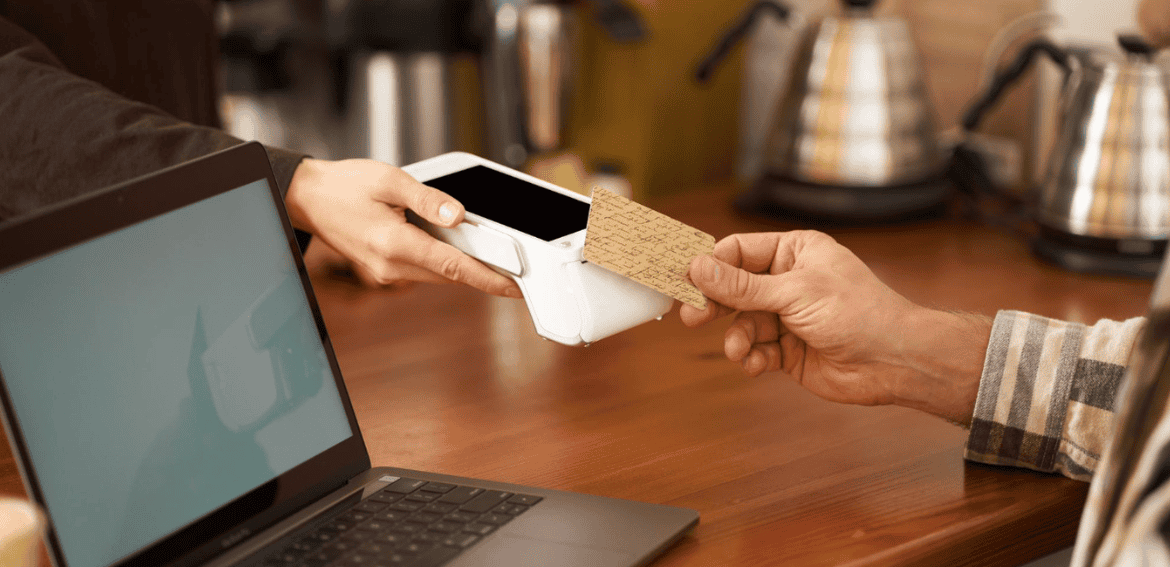
Payment processing costs are a significant expense for many businesses. Every time a customer pays with a credit card, debit card, or digital wallet, the merchant pays a fee to the payment processor. While these charges may seem small on individual transactions, they can accumulate into a substantial cost over...
How Payment Gateways and Processors Work Together

Digital payments have become a normal part of everyday life, whether someone is shopping online, paying a bill through an app, or subscribing to a service. While the payment itself often takes only a few seconds, the systems working behind it are complex and carefully coordinated. Two key components make...
Local SEO for Payment Processors: How to Rank #1 in Hagerstown for “Merchant Services”
In the digital-first economy of today, your potential clients are seeking payment solutions near them not across the country. That’s the very reason local SEO is essential for payment processors and merchant service providers who wish to rule the roost in their area. For companies looking to reach Hagerstown, a...