By Derrick Malone May 22, 2026
The checkout moment has always been the final test of a retail or food service experience, the point where everything that happened before it either concludes smoothly or unravels in frustration. For decades, this moment was defined by the physical mechanics of payment, the wallet search, the card swipe, the PIN entry, the receipt printing, the change-making, all of which added friction to a transaction that the customer had already mentally completed by the time they arrived at the register. NFC payment terminals and contactless payment systems have fundamentally changed this experience by reducing the physical transaction to a gesture so brief and so effortless that it barely registers as a transaction at all.
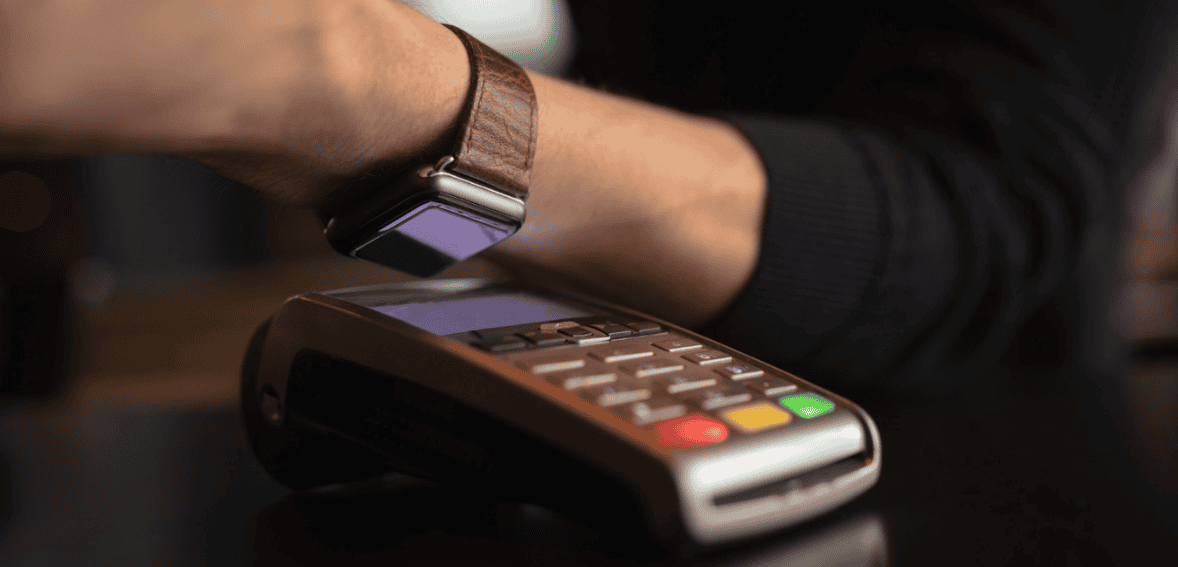
A tap that takes less than three seconds, a beep indicating approval, and the customer is already moving to make their payment before they even realize there was any friction at all. The effect that this change in experience has had on payments from the customer’s point of view has been far-reaching within the world of retail and food service, altering customer expectations, checkout environments set up by merchants, and even the economics of transaction processing for any business that engages in these transactions.
Contactless checkout through POS systems is more than just a faster card transaction process. It represents an entirely new approach to making payments that has impacted customer expectations in a way that is now affecting the way business is done in every commercial sector where face-to-face transactions take place.
The Technology Behind the Tap
Near-field communication is the radio frequency technology that makes contactless payment possible, and understanding how it works clarifies why it provides the combination of speed and security that has made it the preferred payment method for a growing majority of in-person transactions. When a customer holds a contactless card, smartphone, or wearable near an NFC payment terminal, the two devices exchange data through a radio frequency communication that requires close physical proximity, typically four centimeters or less, to initiate.
This short-range requirement is a security feature rather than a limitation, because it ensures that contactless payment can only occur when the customer deliberately brings their payment device close to the terminal rather than occurring accidentally or being triggered from a distance. The data exchanged in a contactless transaction does not include the actual card number but rather a dynamic, transaction-specific cryptographic token that is generated uniquely for each payment and cannot be reused for fraudulent purposes.
This tokenization architecture, which is the same security approach used in EMV chip transactions, means that contactless payments provide the same fraud protection against counterfeit card creation as chip transactions while delivering a transaction experience that is faster than both chip and magnetic stripe alternatives. Tap to pay technology has been extended beyond contactless cards to digital wallets on smartphones and smartwatches, allowing customers to pay with their existing digital wallet setup through the same NFC terminals that accept contactless cards, creating a unified contactless payment infrastructure that accommodates the full range of how modern consumers choose to carry and present their payment credentials.
How Contactless Payment Systems Have Changed Customer Expectations
The widespread adoption of contactless payment systems has produced a shift in customer expectations that now affects how businesses are evaluated across virtually every in-person commercial context. A customer who regularly pays for their morning coffee, their grocery run, and their transit fare through contactless interactions that take two or three seconds each has formed a baseline expectation about payment speed that makes longer transaction methods feel disproportionately slow by comparison. When this customer encounters a business that does not accept contactless payment, requires chip insertion with PIN, or does not support their preferred digital wallet, they experience a friction that is amplified by the contrast with the frictionless standard they have come to take for granted.
Today’s POS systems capable of processing all forms of contactless payments make it clear to customers that the firm has made the investment in the payment system infrastructure required by modern business, whereas an inability to process contactless payments makes it clear that the firm has not. In effect, the change in expectations has turned acceptance of contactless payments into something that customers expect in any business environment rather than something that only innovative firms provided, and those that haven’t made the switch are feeling the competitive effects.
The Business Case for Contactless Investment
The business case for investing in NFC payment terminals and contactless payment infrastructure extends beyond customer experience to include measurable operational benefits that accumulate across every transaction in a merchant’s daily operation. Transaction throughput improvement is the most directly measurable operational benefit, because a contactless transaction that completes in two to three seconds represents a time saving of ten to twenty seconds compared to chip-and-PIN transactions and significantly more compared to cash transactions that require change-making. For businesses with meaningful transaction volumes during peak periods, this time saving per transaction translates into additional customers served per hour without additional staffing, which represents genuine revenue capacity that contactless payment infrastructure directly enables.
The modern POS systems that allow for contactless payments also help eliminate cash handling costs, which constitute a hidden yet substantial expense for retail and food service businesses. It is the cost of counting, reconciling, securing, and depositing cash that does not add value to customers but increases staffing costs nevertheless. While the decrease in cash handling costs can occur automatically due to contactless payments, it is also the reduction in risks and costs of keeping large amounts of cash on the premises.
Contactless payments also help minimize fraud-related losses since chargebacks in contactless transactions happen less frequently than in other transactions due to the fact that the nature of contactless transactions makes it practically impossible to commit any fraud with them. In addition, chargebacks are also easier to resolve due to cryptographic proof of authorization in contactless transactions.
Digital Wallets and the Smartphone Payment Revolution
The integration of NFC payment terminals with digital wallet platforms including Apple Pay, Google Pay, and Samsung Pay has extended contactless payment from a card-based capability to a device-based capability that transforms the smartphone into the primary payment instrument for a growing proportion of consumers. Digital wallet payments through NFC work through the same contactless terminals that accept contactless cards, because the underlying NFC communication protocol is identical regardless of whether the payment is initiated from a physical card or a device running a digital wallet application.
From the merchant’s point of view, the same hardware processes both the NFC payment using a digital wallet and a contactless card payment, and this means that the merchant can use the infrastructure of NFC-capable terminals to provide support for both payments without the necessity of investing in separate infrastructure.
The advantages of the digital wallet payment from the point of view of the customer include not only its speed but also such features as the additional security of biometric authentication necessary for making the wallet payment, the convenience of managing several cards via one application and automatic updating of credentials when the card used for making the wallet payment is updated because of its expiration or fraudulent activities. Contactless payments via digital wallets have shown themselves to be especially popular among young consumers whose smartphone-centered lifestyle makes it natural for them to pay with wallets rather than with credit cards, and companies targeting this demographic should provide the required infrastructure for wallet payments.
The Role of Modern POS Systems in the Contactless Experience
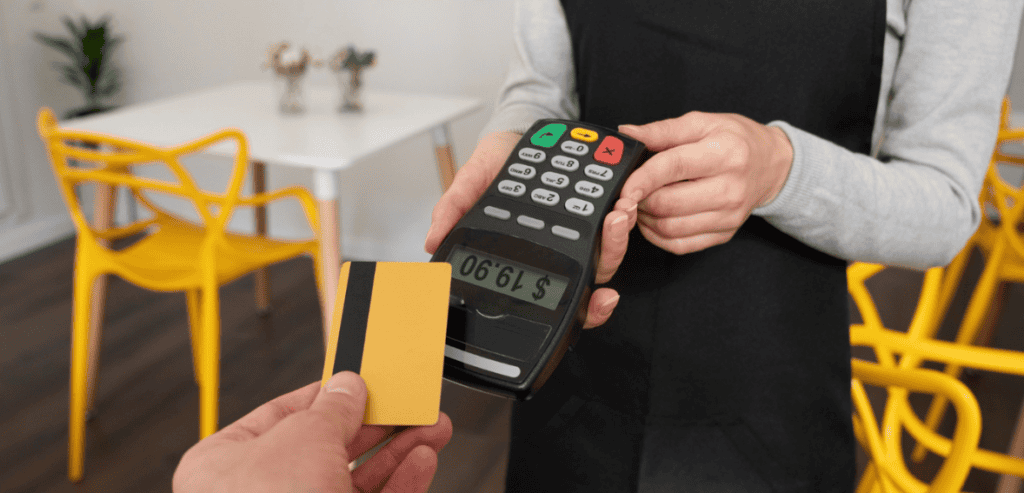
The quality of the contactless payment experience at any given merchant location depends significantly on the modern POS systems that sit behind the NFC payment terminals, because the terminal is only the physical interface through which the transaction is initiated and the broader POS infrastructure determines how that transaction data is processed, recorded, and integrated with the other operational functions of the business.
Modern POS systems that are designed for contactless-first environments handle the full transaction flow from NFC terminal communication through payment processing authorization to receipt delivery and inventory update as a seamless, integrated process rather than requiring manual handoffs between disconnected systems. The receipt delivery function of modern POS systems has evolved alongside contactless payment adoption, with email and SMS receipt options that allow customers to receive their transaction documentation without a paper receipt matching the paperless, friction-free character of the contactless payment interaction itself.
POS systems that integrate contactless payment data with customer loyalty programs allow loyalty points to be credited automatically when a contactless or wallet payment is detected as belonging to a loyalty member, eliminating the separate loyalty card scan that previously added a step to the checkout interaction for program participants. The analytics capabilities of modern POS systems translate the transaction data generated by contactless payments into operational intelligence about transaction volume, payment method distribution, peak period patterns, and other metrics that inform business decisions across staffing, inventory, and promotional strategy.
Retail and Food Service Transformation
The impact of contactless payment systems on retail and food service operations has been most visible in the specific environments where transaction speed and customer flow most directly affect business performance. Quick service restaurants, coffee shops, and fast casual dining operations where the customer experience promise includes speed have embraced contactless payment as a core operational tool that allows them to fulfill that promise at the checkout moment rather than undermining it with a slow payment process at the end of an otherwise efficient experience.
Transit systems that have deployed open-loop contactless payment infrastructure, allowing passengers to pay their fare by tapping a bank-issued contactless card or digital wallet rather than requiring a separate transit card or cash payment, have created mass habituation to contactless payment among commuter populations that carries over into retail purchasing behavior.
Grocery and pharmacy retailers whose customers value efficient checkout have deployed contactless-capable terminals across all lanes and have actively encouraged contactless payment adoption through signage and customer communication that reduces the education gap for customers who have not yet adopted contactless habits. The hospitality sector has extended contactless payment to tableside service through handheld NFC payment terminals that allow restaurant staff to process payment at the table without the customer’s card leaving their sight, addressing the security and convenience concerns that traditional tableside payment processes created for restaurant diners.
Security and Consumer Confidence
Consumer confidence in contactless payment security has grown substantially as the technology has matured and as the fraud data has validated the security architecture’s effectiveness in preventing the counterfeit card fraud that was so prevalent with magnetic stripe technology. The initial skepticism that some consumers expressed about the safety of wireless payment technology has been addressed by the consistent evidence that contactless payment fraud rates are lower than those associated with magnetic stripe transactions, and that the tokenization approach that makes contactless payment secure provides protection that physical card methods cannot match.
The concern about unintended payments, where a contactless reader might accidentally trigger a payment from a card in a wallet or pocket without the cardholder’s knowledge, has proven to be largely theoretical in practice because the short effective range of NFC communication and the requirement for deliberate presentation to a certified terminal make this scenario extremely difficult to execute in a real-world environment. Consumers who have experienced the security of digital wallet authentication through fingerprint or face recognition have found this biometric security model to be both more secure and more convenient than PIN entry, and this positive security experience has contributed to the accelerating adoption of wallet-based contactless payments among consumers who have tried it.
Conclusion
NFC payment terminals and contactless payment systems have reshaped modern checkout experiences in ways that have moved from novelty to necessity in the few years since contactless payment became widely available. Tap to pay technology that delivers transaction completion in under three seconds has set a new standard for checkout speed that customers carry with them across every commercial environment they visit, creating expectations that businesses without contactless infrastructure can no longer meet. Modern POS systems that integrate contactless payment with loyalty programs, digital receipts, and real-time analytics create the complete checkout experience that today’s connected retail environment requires.
Contactless checkout has transformed not just how payments are processed but how customers experience the moment of transaction, turning what was previously an administrative friction into a seamless, nearly invisible completion of a purchasing decision that was made the moment the customer decided they wanted what the business was selling. The businesses that have embraced this transformation are serving their customers with the checkout experience that contemporary expectations demand, and the businesses that have not made this investment are encountering the consequences of that gap every day in the checkout moments where customer experience is most directly at stake.