By Derrick Malone June 20, 2026
The retail industry has undergone significant transformation over the past two decades. Advances in digital technology, changing consumer habits, and increasing demand for convenience have reshaped nearly every aspect of the shopping experience. Among the most visible changes is the rise of self checkout systems, which have become a common feature in supermarkets, convenience stores, department stores, pharmacies, and other retail environments.
What began as an experimental concept designed to reduce checkout queues has evolved into a key component of modern retail operations. Today, self checkout systems are no longer viewed as a novelty. For many shoppers, they are an expected part of the purchasing journey. Customers have become accustomed to scanning items, making payments, and completing transactions independently, often without interacting with store staff.
As adoption continues to grow, these technologies are influencing more than just the checkout process. They are changing how consumers think about speed, convenience, control, and service quality. The widespread use of automated checkout technology is raising expectations across the retail sector and encouraging businesses to rethink how they deliver customer experiences. Understanding these changing expectations provides valuable insight into the future of retail and the role technology will continue to play in shaping consumer behaviour.
The Evolution of Checkout Experiences
For decades, traditional checkout counters defined the end of every shopping trip. Customers would place their items on a conveyor belt, wait for a cashier to scan products, and complete payment before leaving the store. While this process was familiar and effective, it often created bottlenecks during busy periods.
As retail environments became larger and customer traffic increased, retailers searched for ways to improve efficiency. Early self checkout systems emerged as a solution that allowed customers to complete transactions independently while reducing reliance on staffed checkout lanes.
Initially, many shoppers approached the technology with hesitation. The process felt unfamiliar, and some consumers preferred direct assistance from store employees. Over time, however, improvements in user interfaces, payment options, and system reliability helped build confidence among shoppers.
Today, self-service checkout has become a standard feature in many retail settings. The shift reflects broader changes in consumer expectations, where convenience and speed have become increasingly important factors in purchasing decisions.
Why Convenience Has Become a Priority
In today’s society, people are used to living in a fast-moving world where time is often considered a valuable asset. While buying goods and services from retailers, clients demand quick and easy transactions, regardless of what they purchase.
This concept fully fits into the idea of self-checkout systems. Customers do not have to wait in lines until their turn comes to be helped by a cashier. In the case when there are just a couple of items bought, transaction times can be shortened greatly.
Another important aspect associated with self-checkouts is that people like to feel free while performing any action without being forced to do something. Self-checkout systems offer an excellent way to achieve that goal. Nowadays, clients have started to require convenient checkout procedures in every retail store. Those who do not provide such opportunities might encounter problems satisfying their customers’ demands.
The Shift Toward Customer Control
The shift of power from the retailer to the customer is one of the main factors how self-checkout technology is transforming the retail sector. Previously, the process of checkouts implied the dependency of the shopper on the employees who would be responsible for executing the transaction. Now this power has shifted into the hands of consumers themselves.
A lot of consumers like the feeling of having more power when shopping. The consumers can decide which products will be scanned first, take care of packing, see their purchases as they are making them, and pay on their own. Such involvement makes the purchase process more personalized.
It becomes evident because there are already plenty of examples of people relying solely on self-service when performing different transactions, booking their trips, or eating at home using various services. The same is starting to happen in the case of retail purchases. The implementation of self-checkout technology contributes to such tendencies.
How Speed Is Redefining Customer Satisfaction
In the past, customer satisfaction was often associated with friendly service, product availability, and store cleanliness. While these factors remain important, transaction speed has emerged as a critical component of the retail experience.
Long checkout lines can quickly undermine an otherwise positive shopping trip. Customers who spend time selecting products may become frustrated if they encounter delays when they are ready to leave the store.
Self checkout systems help address this challenge by increasing checkout capacity and reducing waiting times. During busy periods, multiple customers can complete transactions simultaneously without requiring additional cashiers.
As shoppers become accustomed to faster transactions, their tolerance for delays decreases. Consumers increasingly expect efficient checkout experiences regardless of store size or location. This shift is influencing how retailers design stores, allocate staff resources, and invest in technology. Speed is no longer viewed as a bonus feature. For many customers, it has become a basic expectation.
The Role of Retail Innovation in Customer Experience
Retailers have long been looking for ways to enhance the customer experience, but thanks to the advent of technology, the pace of innovation has increased exponentially. The emergence of self-service checkouts is just another aspect of retail innovation that is geared towards making the shopping process easy, efficient, and pleasant for customers.
Innovative retailers understand that consumer expectations go beyond competition among the retailers themselves and encompass experiences from other industries as well. Retail experiences are benchmarked against banking services, transportation options, entertainment, and online shopping.
Hence, modern retailers have been focusing on introducing technologies that streamline the shopping process. While self-service checkouts play an important role in this regard, they are just one part of a wider range of services such as mobile payments, digital reward programs, personalized promotions, and mobile shopping apps. It must be understood that retail innovation isn’t about technology alone; rather, it is about delivering experiences that meet the evolving needs of consumers.
The Growing Demand for Contactless Transactions
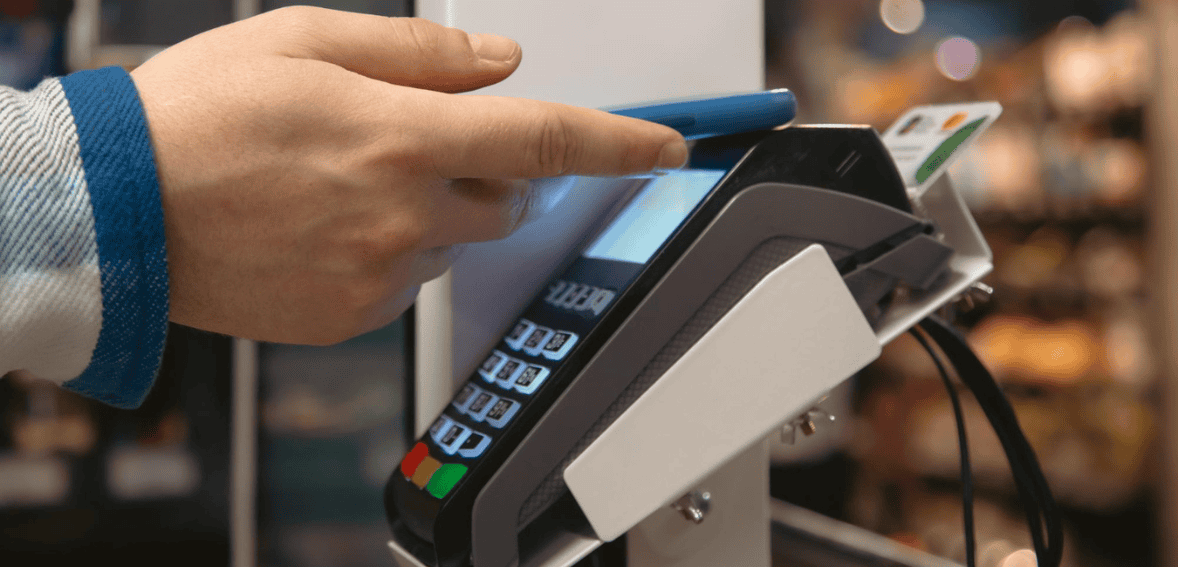
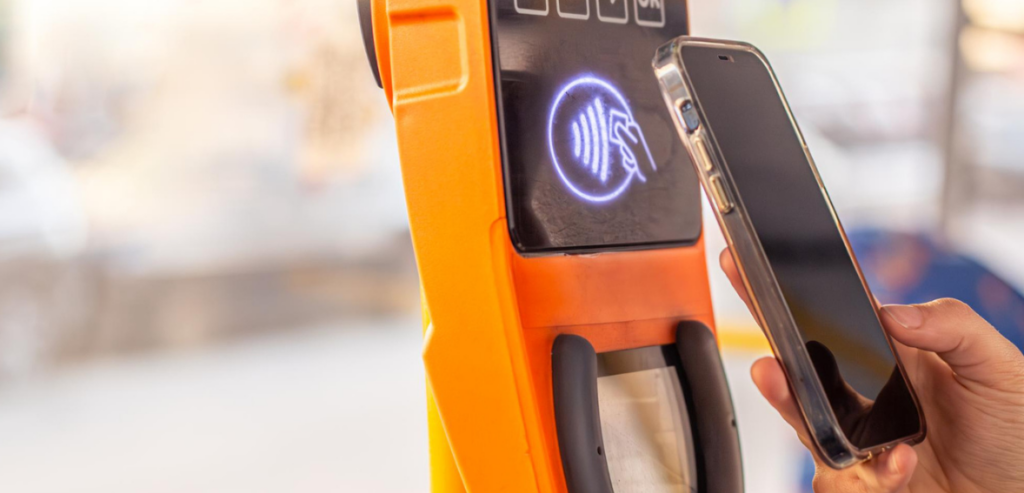
Consumer preferences regarding payment methods have changed significantly in recent years. Many shoppers now prefer contactless payment options because they offer speed, convenience, and simplicity. Self-checkout systems have played an important role in supporting this transition. Most modern systems accept a wide range of payment methods, including contactless cards, mobile wallets, and digital payment platforms.
The integration of contactless payments has helped reinforce customer expectations around frictionless transactions. Shoppers increasingly expect to complete purchases quickly without handling cash or interacting extensively with payment terminals.
Automated checkout technology supports these expectations by combining self-service functionality with modern payment capabilities. The result is a streamlined transaction process that aligns with contemporary consumer habits.
As digital payment adoption continues to increase, retailers are likely to face growing pressure to provide flexible and efficient payment experiences.
How Self-Checkout Appeals to Different Generations
While young people are usually seen as adopting new technologies, the technology for self-checkouts has been embraced by several generations. Various generations use the technology for different purposes; however, the appeal keeps widening.
Young buyers like speed and freedom offered by the option of self-checkout. As they are accustomed to technology from an early age, they find it easy to handle touch screens and automatic processes. The middle generation appreciates efficiency and convenience. With a lot going on in their lives, efficiency and convenience are very important.
Older generations have started embracing self-checkouts too, because the technology has made progress. The interfaces have been improved; there are better instructions available, and accessibility has also increased. It shows how deep the concept of self service has become rooted in the purchasing experience.
Changing Expectations Around Store Staffing
The rise of self-checkout technology has also influenced customer perceptions of store staffing. Traditionally, customers expected employees to be present at checkout counters throughout their shopping experience.
Today, many consumers view staff roles differently. Rather than focusing exclusively on processing transactions, shoppers increasingly expect employees to provide assistance, answer questions, and resolve issues when needed.
This shift allows retailers to deploy staff in ways that add greater value to the customer experience. Employees can spend more time assisting shoppers on the sales floor rather than performing repetitive checkout tasks.
Modern checkout solutions often support this transition by enabling employees to monitor multiple self-checkout stations simultaneously while remaining available to provide assistance when necessary. The result is a service model that combines technology-driven efficiency with human support where it matters most.
The Connection Between Self-Checkout and Personalisation
As retailers gather more data through digital systems, opportunities for personalisation continue to expand. Self-checkout technology contributes to this trend by integrating with loyalty programmes, customer accounts, and purchase histories.
Many self checkout systems can recognise loyalty members, apply personalised discounts, and provide customised offers during the checkout process. These capabilities create a more tailored shopping experience while strengthening customer relationships.
Consumers increasingly expect businesses to understand their preferences and deliver relevant experiences. Personalisation has become a competitive differentiator across multiple industries, including retail. By combining automation with customer insights, retailers can create experiences that feel both efficient and personalised. This balance is becoming an important component of modern customer expectations.
The Rise of Frictionless Shopping Experiences
The next phase of checkout evolution focuses on reducing friction even further. Some retailers are experimenting with technologies that eliminate traditional checkout processes altogether.
Advanced automated checkout technology can use sensors, cameras, AI, and mobile applications to track purchases automatically as customers move through stores. In these environments, shoppers simply select items and leave, with payment processed automatically.
While widespread adoption remains limited, these innovations are influencing customer expectations about what retail experiences could look like in the future. As consumers encounter increasingly seamless shopping journeys, their expectations for convenience continue to rise. Retailers that invest in modern checkout solutions position themselves to adapt more effectively as these technologies mature and become more accessible.
Benefits for Retailers Beyond Customer Convenience
Although customer experience often drives discussions about self-checkout, retailers also benefit from operational improvements. Self-service technology can help optimise labour allocation, improve transaction efficiency, and increase throughput during busy periods.
POS automation enables retailers to process more transactions without significantly expanding checkout infrastructure. This can be particularly valuable in locations where space is limited or customer traffic fluctuates throughout the day.
In addition, digital checkout systems generate valuable operational data that helps retailers understand shopping patterns, transaction volumes, and customer behaviour. These insights support more informed decision-making and strategic planning. The operational advantages of POS automation often complement customer-facing benefits, creating value for both businesses and shoppers.
Addressing Challenges and Customer Concerns
Despite widespread adoption, self-checkout technology is not without challenges. Some customers still prefer traditional cashier interactions, particularly for complex transactions or large purchases. Retailers must also address concerns related to system usability, technical reliability, and accessibility. A poorly designed self-checkout experience can create frustration and undermine customer satisfaction.
Successful implementation requires thoughtful design, intuitive interfaces, and readily available support when needed. Many retailers have found that combining self-service options with staffed checkout lanes provides the greatest flexibility for diverse customer needs. Modern checkout solutions continue to evolve in response to customer feedback, helping address common concerns while improving overall usability.
How Self-Checkout Is Influencing Future Retail Design
The growing popularity of self-service technology is reshaping store layouts and operational strategies. Retailers are increasingly designing spaces around customer convenience, flexibility, and efficient traffic flow.
Checkout areas are becoming more adaptable, with a combination of self-service stations, assisted checkout options, and mobile payment capabilities. These designs reflect changing customer expectations and the desire for multiple transaction choices.
Retail innovation continues to drive experimentation with new store concepts that prioritise convenience and efficiency. From compact urban stores to large-format supermarkets, checkout technology is influencing how retail environments are planned and operated. As technology becomes more sophisticated, retailers will likely continue exploring new ways to integrate automation into the shopping experience.
The Future of Customer Expectations
Customer expectations rarely remain static. Once consumers become accustomed to a particular level of convenience, they often begin to view it as standard rather than exceptional.
Self checkout systems have already shifted expectations regarding speed, flexibility, and control. Many shoppers now expect self-service options wherever they shop and may view their absence as a limitation.
The continued advancement of automated checkout technology, retail innovation, and POS automation will likely accelerate this trend. Consumers will increasingly expect transactions to be effortless, intuitive, and seamlessly integrated into their overall shopping experience. Retailers that understand these changing expectations will be better positioned to build customer loyalty and remain competitive in an increasingly technology-driven marketplace.
Conclusion
The rise of self-checkout technology represents more than a change in transaction processing. It reflects a broader shift in how consumers interact with retail environments and what they expect from the shopping experience.
By offering greater convenience, faster transactions, and increased customer control, self checkout systems have redefined expectations around efficiency and service. The influence of automated checkout technology extends beyond checkout lanes, shaping attitudes toward personalisation, contactless payments, and frictionless shopping.
As retail innovation continues to advance, modern checkout solutions will play an increasingly important role in meeting evolving consumer demands. At the same time, POS automation will help retailers improve operational efficiency while delivering better customer experiences.
The future of retail will likely involve even greater integration between technology and customer service. Businesses that embrace these changes and adapt to shifting expectations will be best positioned to succeed in a marketplace where convenience, speed, and flexibility have become essential parts of the shopping journey.