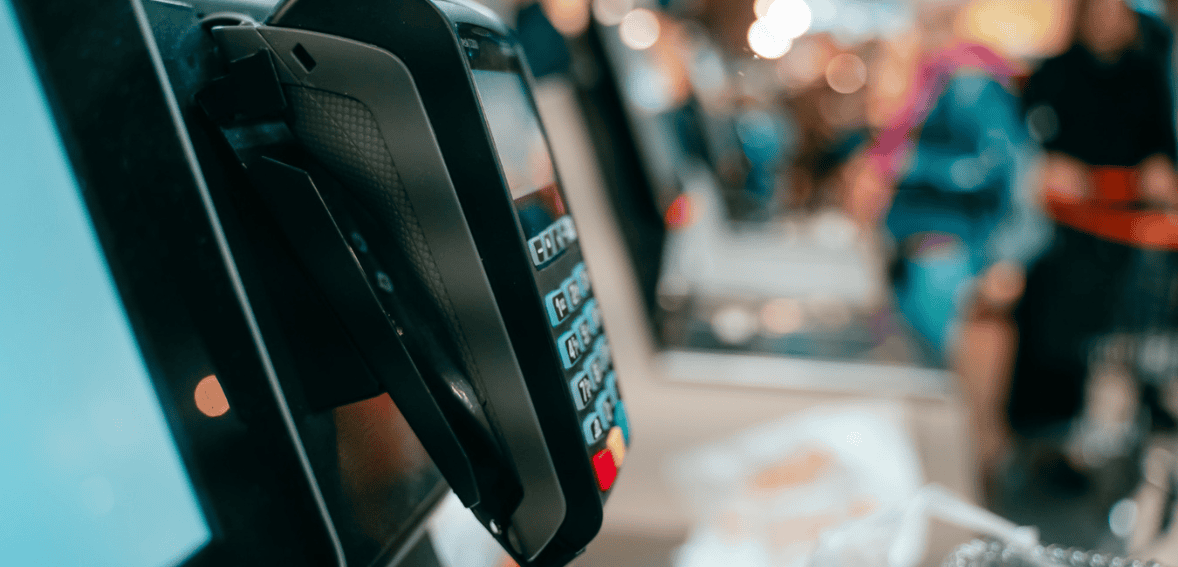
The way businesses accept payments has changed dramatically over the past decade. Traditional cash registers and basic card readers are no longer sufficient for many retailers and hospitality businesses that operate in an increasingly digital and customer-focused environment. Modern consumers expect fast service, multiple payment options, personalized experiences, and seamless transactions whether they are shopping in a retail store, dining at a restaurant, staying in a hotel, or ordering products for pickup.
To meet these expectations, businesses are adopting smarter technologies that go far beyond simple payment processing. One of the most significant developments in this transformation is the rise of smart POS terminals. These advanced devices combine payment acceptance, business management, analytics, inventory tracking, customer engagement, and cloud connectivity into a single platform. Rather than serving as standalone payment devices, they function as central operational hubs that help businesses manage multiple aspects of their daily activities.
The growing popularity of smart POS technology reflects broader changes in both consumer behavior and business operations. Companies are seeking solutions that improve efficiency, reduce manual tasks, enhance customer experiences, and provide real-time access to business information. As a result, smart POS terminals are becoming essential tools for organizations that want to remain competitive in a rapidly evolving marketplace.
Understanding What a Smart POS Terminal Is
A smart POS terminal is a modern payment and business management device that combines hardware and software into a connected system. Unlike traditional card terminals that primarily process transactions, these devices offer a wide range of operational capabilities designed to support day-to-day business activities.
Most smart terminals include touchscreen interfaces, wireless connectivity, cloud integration, payment processing capabilities, reporting tools, inventory tracking functions, and customer management features. Many operate on Android-based platforms or similar operating systems, allowing businesses to install specialized applications that meet their unique requirements.
The key difference between a traditional terminal and a smart POS terminal lies in functionality. While older systems focus mainly on accepting payments, smart devices provide comprehensive operational support. They allow employees to access inventory information, manage orders, generate reports, monitor sales performance, and engage with customers through a single device.
As businesses increasingly prioritize efficiency and data-driven decision-making, smart terminals are becoming valuable assets that contribute far beyond the checkout process.
The Evolution of POS Technology
POS systems have changed greatly through time. At the early stages of commerce, retailers used mechanical cash registers, which were just recording transactions and collecting money. With time, electronic cash registers began offering basic reporting and higher transaction accuracy.
Another milestone was reached when computerized POS systems appeared. They not only automated some administrative tasks but provided insights into business performance by connecting sales with inventory and accounting information.
Nowadays, cloud POS systems mark another stage of development, where connections are achieved through web platforms, thus allowing businesses to gain insights into real-time information anywhere. Smart terminals are what makes this possible by creating a connected environment where all transactions with payments, inventory management, customers’ databases, and reports communicate with each other through the internet.
This shift from isolated devices to connected systems demonstrates how much importance companies attribute to technological advancements nowadays, as they expect their payment system to bring them some advantages right away.
Why Retailers Are Embracing Smart POS Technology
Retail businesses operate in a highly competitive environment where customer experience often determines success. Shoppers expect quick transactions, multiple payment options, and personalized service throughout their purchasing journey.
Smart terminals help retailers meet these expectations by streamlining checkout processes and reducing transaction times. Employees can access product information, inventory levels, and customer purchase histories without switching between multiple systems. This improves efficiency while enhancing the overall shopping experience.
The integration of retail checkout technology with broader business systems also provides valuable operational benefits. Retailers gain access to real-time sales data, inventory updates, and performance metrics that support more informed decision-making. Managers can monitor store activity remotely and respond quickly to changing business conditions.
As customer expectations continue to evolve, retailers increasingly view smart terminals as essential tools for delivering efficient and convenient shopping experiences while maintaining operational control.
The Growing Role of Smart Terminals in Hospitality
The hospitality industry presents specific challenges due to its operations. It has to deal with payments processing, reservations, orders placement, customer preferences and staff scheduling all at once.
The development of hospitality POS systems allows for addressing the needs of this challenging sphere. The ability of staff to complete financial transactions on the spot, place and track orders, update information about customers, and communicate with the kitchen makes the whole process more efficient while cutting down on errors.
The integration of smart payment systems in hotels could also help with such routine activities as guests’ check-ins, processing their orders, charging rooms and services. The use of such innovations by both staff and customers is beneficial for all parties involved. The ability to be flexible has proved especially useful for the hospitality industry.
Enhancing Customer Experience Through Technology
Customer experience has emerged as one of the top competitive advantages not only in retail but also in the hospitality industry. Convenience, fast transaction processes, and personal interaction have been some of the features which attract consumers towards businesses.
Intelligent terminals ensure that there is no delay during transaction processes and payments. Customers are able to use a variety of methods, including card payments, mobile wallets, contactless payments, among others, without having any problems.
Advanced terminals have allowed for personalized interaction as customer preferences and other data related to purchasing behavior are available with the help of these terminals to employees.
Customers generally tend to have better experiences when transactions are conducted fast, accurately, and conveniently, resulting in higher loyalty levels and greater revenue.
The Importance of Cloud Connectivity
One of the defining features of modern smart POS systems is cloud connectivity. Traditional systems often store data locally, making access and management more challenging. Cloud-based platforms eliminate many of these limitations by providing centralized access to information from any connected location.
Cloud POS systems allow business owners to monitor operations remotely, review sales reports, manage inventory, and oversee multiple locations through a unified platform. Real-time visibility improves decision-making and enables faster responses to operational issues.
Cloud connectivity also simplifies software updates and system maintenance. Businesses can access new features and security enhancements without extensive hardware replacements or complex installation processes.
The ability to access information anytime and anywhere has become increasingly important for organizations operating across multiple locations or managing distributed teams.
Streamlining Inventory Management
The management of inventory is another important factor in both retail and hospitality industries. Mismanagement in the tracking of inventory levels will result in stock-outs, overstocking, loss of potential sales, and disgruntled customers.
The implementation of intelligent POS terminals improves inventory management through automatic recording of transactions. This synchronization ensures that managers have an accurate idea of how much stock is on hand and their purchasing habits.
By linking retail POS systems with inventory systems, businesses get information about what products sell the most, their inventory levels, and the best approach for ordering more of such items. Effective inventory management increases business efficiency and, at the same time, improves customer services.
Supporting Multiple Payment Methods
Consumer payment choices keep growing. People today have come to expect companies to accept credit card, debit card, contactless, mobile wallet, QR code payments, and other innovative payment modes.
Modern payment terminals have been developed specifically to cater to these requirements while still retaining their safety and ease of use. A business will be able to meet customers’ demands without implementing individual payment systems.
Processing several payment methods through one terminal will allow simplifying business processes for staff members as well, allowing them to focus more on providing quality customer services. With the spread of digital payments worldwide, flexibility in payment will help business establishments become more competitive.
Improving Operational Efficiency
Operational efficiency is a primary reason many organizations invest in smart POS technology. Businesses are constantly seeking ways to reduce manual work, eliminate redundancies, and improve productivity.
Smart terminals automate many routine tasks that previously required significant employee involvement. Sales reporting, inventory tracking, payment reconciliation, and customer data management can all be handled through integrated systems.
By reducing administrative burdens, businesses free employees to focus on customer-facing activities and strategic initiatives. Improved efficiency often leads to lower operating costs and better overall performance. The benefits extend beyond individual transactions. Integrated workflows create smoother operations across departments, supporting stronger collaboration and more effective resource management.
Data Analytics and Business Intelligence
Modern businesses generate large amounts of data through daily transactions. However, the value of this information depends on the ability to analyze and apply it effectively.
Cloud POS systems provide access to detailed analytics that help businesses understand customer behavior, sales trends, inventory performance, and operational efficiency. Managers can identify patterns and opportunities that may otherwise go unnoticed.
Smart terminals capture data at the point of interaction, ensuring information remains accurate and current. Reports can be generated automatically, providing timely insights that support informed decision-making. Access to meaningful business intelligence helps organizations improve performance, optimize operations, and respond more effectively to changing market conditions.
Mobility and Flexible Service Models
The rise of mobile commerce and flexible service models has increased demand for portable business technology. Customers no longer expect all transactions to occur at fixed checkout counters.
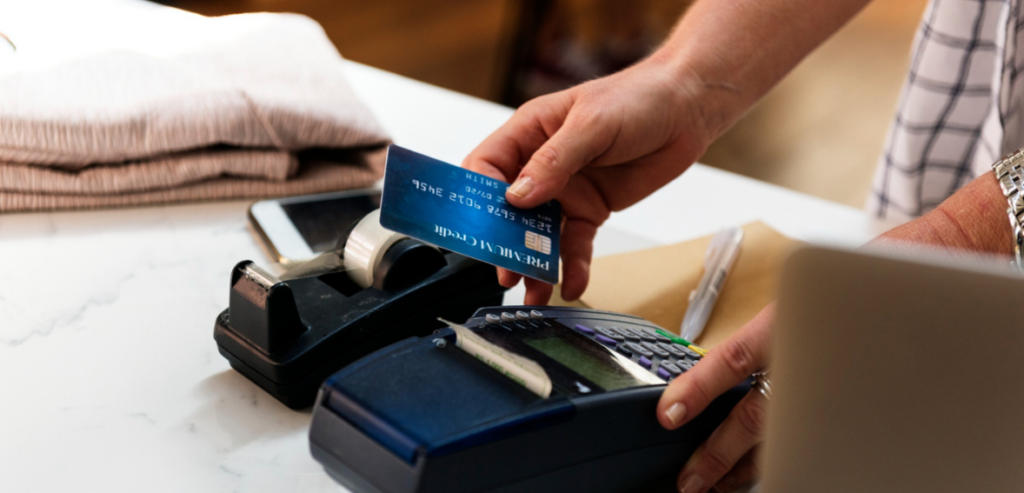
Smart POS terminals support mobility by allowing employees to process payments anywhere within a business environment. Retail associates can assist customers on the sales floor, while restaurant servers can complete transactions directly at tables.
This flexibility improves service speed and reduces congestion during busy periods. Customers appreciate the convenience of completing purchases without waiting in traditional checkout lines.
Mobile functionality has become particularly important for businesses operating at events, markets, outdoor venues, and temporary locations where traditional infrastructure may not be available.
Security in Modern Payment Environments
As payment technologies become more sophisticated, security remains a critical concern. Businesses must protect sensitive customer information while maintaining compliance with industry regulations.
Advanced payment terminals incorporate encryption, tokenization, and secure authentication technologies designed to safeguard transactions. These protections reduce fraud risks and help maintain customer trust.
Cloud-based platforms also benefit from centralized security updates and monitoring. Businesses can respond more effectively to emerging threats without relying solely on local infrastructure.
Strong security measures are essential not only for regulatory compliance but also for maintaining customer confidence in an increasingly digital marketplace.
Scalability for Growing Businesses
Businesses need technology solutions that can grow alongside their operations. Systems that work effectively for a single location may become inadequate as organizations expand.
Cloud POS systems offer scalability that supports growth without requiring complete infrastructure replacement. New locations, employees, and product lines can often be added through centralized management platforms.
Smart terminals provide flexibility that allows businesses to adapt to changing requirements over time. Whether expanding into new markets, introducing new services, or increasing transaction volumes, scalable systems help support sustainable growth.
Organizations that invest in adaptable technology are often better prepared to respond to future opportunities and challenges.
Industry Trends Driving Adoption
Several trends are contributing to the increasing adoption of smart POS technology. Consumers expect seamless digital experiences across all aspects of commerce, while businesses seek greater efficiency and operational visibility.
The growth of contactless payments, omnichannel retailing, mobile commerce, and data-driven decision-making has accelerated demand for connected payment platforms. Businesses increasingly recognize that payment systems can serve as strategic operational tools rather than simple transaction processors.
Hospitality POS systems and retail checkout technology continue to evolve in response to these market demands. Vendors are introducing new capabilities that integrate payments, analytics, customer engagement, and operational management into unified platforms.
As these trends continue, smart terminals are likely to become standard equipment across a growing range of industries.
The Future of Smart POS Terminals
The future of POS technology will likely involve even greater levels of connectivity, automation, and intelligence. AI, predictive analytics, biometric authentication, and advanced customer engagement tools are expected to play increasingly important roles.
Cloud POS systems will continue to evolve as businesses seek more comprehensive operational visibility and greater flexibility. Integration with other business technologies will create more seamless workflows and improved data sharing across organizations.
Retailers and hospitality operators will increasingly rely on advanced payment terminals to support personalized customer experiences, operational efficiency, and strategic decision-making. The line between payment processing and business management will continue to blur as technology becomes more sophisticated. Organizations that embrace these innovations early may gain competitive advantages through improved customer experiences and more efficient operations.
Conclusion
The rise of the smart POS terminal represents one of the most significant technological shifts in modern retail and hospitality operations. These devices have evolved far beyond basic payment processing, becoming powerful business management tools that support inventory control, customer engagement, reporting, analytics, and operational efficiency.
Through the integration of cloud POS systems, retail checkout technology, hospitality POS systems, and advanced payment terminals, businesses can streamline workflows while delivering faster and more convenient customer experiences. Real-time data access, cloud connectivity, enhanced security, and flexible payment options make smart terminals valuable assets for organizations of all sizes.
As customer expectations continue to evolve and competition becomes increasingly intense, businesses need technology that supports both operational excellence and exceptional service delivery. Smart POS terminals provide that foundation, helping organizations improve efficiency, make better decisions, and prepare for the future of commerce in an increasingly connected world.