
By Derrick Malone July 28, 2026
The restaurant and café industry has changed significantly over the past decade. Customers no longer expect only good food and friendly service. They also want fast ordering, quick payments, digital receipts, online ordering, loyalty rewards, and multiple payment options. Businesses that cannot keep up with these expectations often struggle to compete in an increasingly technology-driven market.
Modern restaurants face many daily challenges. Managing orders from dine-in guests, takeaway customers, online delivery platforms, and mobile ordering apps all at the same time can quickly become overwhelming without the right systems in place. Staff must coordinate kitchen operations, track inventory, process payments accurately, and maintain excellent customer service during busy periods. This growing complexity has encouraged businesses to invest in smarter technology that simplifies operations.
One of the biggest investments many food businesses are making today is in advanced POS technology. Modern systems have evolved far beyond simple cash registers. They now help restaurants manage nearly every aspect of their operations, from order taking and inventory control to customer engagement and financial reporting. As customer expectations continue to rise, restaurant POS systems have become an essential business tool rather than simply a payment solution.
The Restaurant Industry Is Becoming More Technology Driven
Efficiency has always been the hallmark of restaurants and cafés. Each saved second during the service contributes to better customer satisfaction while providing employees with an opportunity to cater to more clients. Paper-based operations lead to delays, poor communication, and costly errors that impact not only customers but also negatively influence profitability.
Modern hospitality companies offer various sales channels to their clients: dining in a restaurant, ordering online, ordering for pick up, deliveries, and mobile app orders. Operating these channels independently results in duplication and misreporting. Modern businesses require a single platform where all elements of the business would be integrated together.
Currently, technology becomes essential in solving these challenges. Modern software solutions integrate ordering, payments, kitchen communication, customer management, inventory, and reporting into a unified system. This is the reason why today restaurant POS software becomes an integral part of all companies; from cafes to restaurant chains.
Faster Service Creates Better Customer Experiences
Paying attention to speed is just as important as the quality of food served. Waiting long in lines at the cash register or during the payment period can spoil the entire experience of visiting the restaurant. High-quality food cannot compensate for poor service or problems with the payment process.
With advanced POS systems, order processing can be done much faster than with old school technology. Orders will be entered directly into handheld devices and touch screens, being sent immediately to the kitchen. The mistakes made when writing down the orders will be avoided, the communication between waiters and cooks will be facilitated and speeded up.
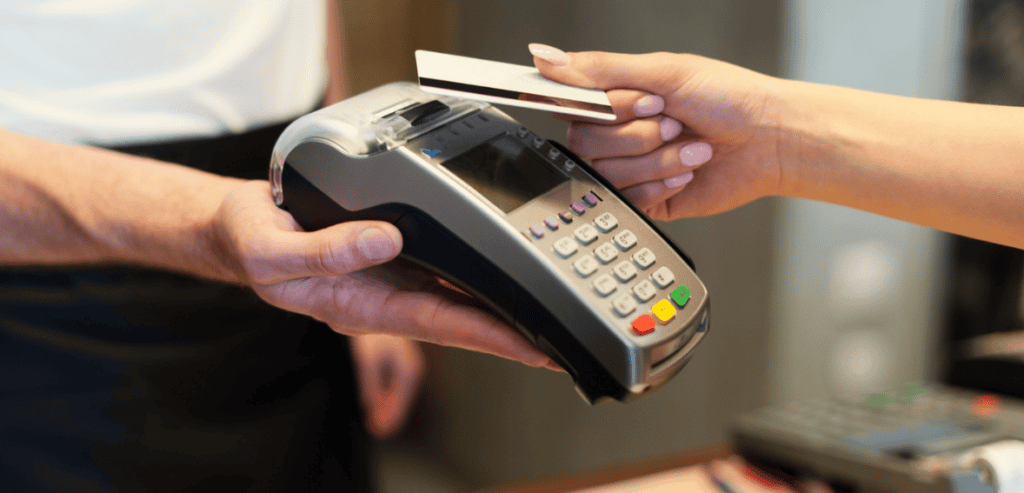
Paying is now done much faster as well. There are such convenient ways as contactless cards, electronic wallets, QR codes and mobile payment. Modern POS systems for restaurants support different payment methods and provide easy checkouts both for employees and customers.
Managing Multiple Ordering Channels From One System
Restaurants no longer depend on walk-ins exclusively to make money. Online ordering services, food delivery sites, social media ordering services, and even restaurant websites have all found their place as legitimate sources of income for modern restaurants. Although all these sources offer great potential, they also add to the complexity of operations.
Without proper integration of these services, the staff may need to keep tabs on several tablets, input the information from online orders into another system separately, and reconcile sales at the end of the day. Such procedures not only add up to the list of things that can go wrong but also pose additional burdens on the staff.
With the help of modern food service POS solutions, all of these orders can be managed through the same interface as one system.
Better Inventory Control Reduces Waste
Food waste remains one of the largest operational costs for restaurants and cafés. Poor inventory management often leads to over-ordering, spoilage, ingredient shortages, and unnecessary purchasing expenses. Even small inventory inaccuracies can significantly affect profitability over time.
Advanced POS technology tracks ingredient usage based on every completed sale. As menu items are ordered, inventory levels automatically update, giving managers a more accurate picture of available stock. This allows businesses to plan purchasing more effectively while avoiding shortages during busy trading periods.
Detailed reporting also helps identify slow-moving menu items that may contribute to waste. Restaurant owners can analyse which ingredients are being used efficiently and which products require adjustment. By integrating inventory management into restaurant POS systems, businesses gain better control over costs without increasing administrative work.
Supporting Staff During Busy Service Periods
There will be times when restaurants have to deal with highly busy periods where timing is crucial. This may include rush hours during lunch, weekend evenings, and holidays when there is a need to prepare many orders within a limited timeframe.
This may prove difficult because manual systems often cannot handle such situations. Inaccuracy, delays, and poor communication can all cause problems and lower productivity. Technology comes in handy by helping to streamline these processes and ensure smooth coordination between different departments.
Kitchen display systems that work together with food service POS system enable chefs to receive orders immediately and prepare them effectively. Staff can save time since they do not have to repeat orders, check them, or find information.
Café Payment Terminals Have Become More Flexible
Customer payment preferences keep changing. The current generation of consumers is demanding that organizations take into account the payment modes such as contactless cards, mobile wallet payments, smart watch payments, and other digital payment services besides accepting the normal cash payments. An organization unable to do this will be missing out on a lot of business opportunities.
The current generation of cafés’ payment systems is able to facilitate many forms of payment processes through one system. Customer preference is catered for through whichever payment process a client prefers without causing any disruption. Convenience will help in ensuring that clients are satisfied and that organizations reach more customers.
The current cafés’ payment terminal systems are also able to facilitate table-side payments. Payment does not have to be done at the counter but is carried out from where the client is seated.
Improving Financial Accuracy and Reporting
Accurate financial reporting is essential for every hospitality business. Restaurant owners need reliable information about daily sales, popular menu items, labour costs, payment methods, and overall profitability. Manual bookkeeping often consumes valuable time while increasing the possibility of errors.
Advanced POS systems automatically record every transaction, making financial reporting significantly easier. Managers can review daily sales summaries, compare performance across different periods, monitor payment trends, and generate detailed business reports with minimal manual effort.
These reporting capabilities support better decision-making. Owners can quickly identify seasonal trends, evaluate promotional campaigns, monitor operating costs, and plan future investments based on reliable data. This improved visibility has become one of the major reasons businesses continue investing in modern POS for restaurants.
Enhancing Customer Loyalty and Personalisation
Restaurants have realized the importance of loyal customers. It is usually cheaper to keep a customer rather than find a new one, which makes customer loyalty essential for any business in the long run. Technological advancement is a powerful tool when it comes to fostering such relations.
Most modern POS systems offer built-in customer loyalty programs designed to reward customers with points, discounts, birthday gifts, and other promotional materials, motivating customers to come again while forming better relations with the company.
Customer data received from the POS system at restaurants is valuable in terms of understanding customers’ shopping behavior. Restaurant managers are able to determine which items sell well, which hours are good for sales, and customers’ preferences.
Hospitality Checkout Technology Is Supporting Better Operations
Checkout technology has evolved far beyond simply processing payments. Modern hospitality checkout technology now integrates with reservations, table management, kitchen operations, inventory systems, employee scheduling, and customer relationship management. This creates a connected business environment where information flows automatically between departments.
Integrated systems reduce duplication of work while improving operational visibility. Managers can monitor table occupancy, average transaction values, payment processing times, and staff performance from a single platform. This level of information allows quicker responses to operational challenges before they become larger problems.
Automation also reduces administrative workload. Instead of manually reconciling multiple systems at the end of each day, businesses can rely on integrated reporting that saves time while improving financial accuracy. As restaurants continue embracing digital transformation, hospitality checkout technology is becoming a valuable operational asset.
Supporting Business Growth and Expansion
Many successful restaurants eventually expand by opening additional locations or introducing new services. Growth creates new management challenges, particularly when maintaining consistent operations across multiple sites. Without standardised systems, business expansion can become increasingly difficult.
Modern POS technology provides centralised management across multiple locations. Owners can monitor sales, inventory, staffing, and financial performance from different branches using one connected platform. This consistency helps maintain service quality while simplifying business oversight.
Cloud-based technology also allows managers to access important business information remotely. Whether travelling or working from another location, owners can review performance, monitor operations, and make informed decisions using real-time business data. These capabilities make advanced food service POS platforms especially valuable for growing hospitality businesses.
Data Helps Restaurants Make Smarter Decisions
Successful businesses increasingly rely on data rather than assumptions. Understanding customer behaviour, menu performance, staffing requirements, and operational costs allows restaurants to improve profitability while enhancing customer satisfaction.
Advanced POS systems generate detailed analytics that help managers identify opportunities for improvement. Sales trends reveal which menu items perform best during different seasons, while labour reports support more efficient staff scheduling. Customer purchasing patterns also help guide menu development and promotional campaigns.
Access to accurate information reduces guesswork. Restaurant owners can confidently adjust pricing, introduce new menu items, optimise staffing, and manage inventory based on measurable business performance. This analytical capability has become one of the strongest advantages offered by modern restaurant POS systems.
Strengthening Security and Payment Protection
Payment security has become increasingly important as digital transactions continue to grow. Customers expect businesses to protect their financial information while providing secure payment experiences. Restaurants must also safeguard business data and comply with payment industry standards.
Modern café payment terminals include advanced security features that help protect cardholder information during every transaction. Encryption, tokenisation, and secure payment processing reduce the risk of fraud while supporting industry compliance requirements.
Cloud-based systems also improve business continuity. Important sales records, customer information, and financial reports can be securely stored and backed up, reducing the risk of data loss caused by hardware failures or unexpected technical problems. These security improvements benefit both businesses and their customers.
Preparing for Future Consumer Expectations
Consumer expectations continue changing as technology becomes more integrated into everyday life. Customers increasingly expect digital ordering, mobile payments, self-service kiosks, online reservations, personalised offers, and seamless experiences across every interaction with a restaurant.
Businesses investing in hospitality checkout technology today position themselves to adapt more easily as future innovations emerge. Modern cloud-based platforms receive software updates that introduce new features without requiring complete system replacements, allowing restaurants to remain competitive as technology evolves.
AI, predictive analytics, automated inventory forecasting, voice ordering, and enhanced customer personalisation are expected to become more common over the coming years. Restaurants with flexible technology platforms will be better prepared to adopt these innovations while continuing to meet changing customer expectations.
Why Advanced POS Technology Is Becoming a Business Necessity
The hospitality industry is more competitive than ever. Restaurants and cafés must balance rising operating costs, changing consumer preferences, staffing challenges, and growing competition while continuing to deliver excellent customer experiences. Technology has become one of the most effective tools for managing these demands efficiently.
Advanced POS systems help businesses streamline operations, improve service speed, strengthen financial management, reduce waste, enhance customer loyalty, and support future growth. Rather than functioning solely as payment solutions, these platforms now serve as the operational backbone of modern hospitality businesses.
As customer expectations continue evolving, investment in restaurant POS systems, flexible café payment terminals, integrated food service POS, advanced hospitality checkout technology, and modern POS for restaurants will continue shaping the future of the restaurant industry. Businesses that embrace these technologies today will be better positioned to improve efficiency, strengthen customer relationships, and achieve sustainable long-term success in an increasingly digital marketplace.