The retail sector keeps on developing at an amazing pace. The customer needs keep on changing, technology is developing, and companies are looking for new methods to enhance their effectiveness and the customer experience. One of such areas, which has undergone drastic changes, is the process of checkout. Previously, this step was just an inevitable part of the purchasing process. Now, customers have higher expectations from checkout no matter where they make purchases – in supermarkets, fashion boutiques, cafes, pharmacies, etc.
Modern technologies allow retailers to develop new approaches to checkout making the process faster, safer, more flexible and comfortable. Such technologies as AI, cloud computing, contactless payments, self-service, mobile devices, and advanced analytics are among the ones that help create smarter retail. All these checkout innovations are aimed at helping retailers serve their customers faster and better without getting rid of human service at all.
As retail continues moving toward increasingly connected and intelligent systems, businesses that understand emerging technologies will be better prepared for future customer expectations. Exploring developments in checkout innovation, understanding broader retail technology trends, adopting next generation POS platforms, following payment technology trends, and preparing for smart checkout systems can help retailers remain competitive in 2026 and beyond.
Why Checkout Has Become a Competitive Advantage
A consumer’s memory of a shopping trip is determined by the checkout process. Customers might feel frustrated with the checkout process due to long lines, delays, or technical problems.
Today’s retailers understand that checkout is not just about taking money from consumers. They realize that checkout is an area where they can satisfy the consumer, build loyalty, and simplify operations.
Checkout innovations are driven by the understanding that a good payment experience is a key factor for business success.
Customer Expectations Continue Rising
The current generation of consumers is used to quick digital experience in everything they do. They order food online, consume entertainment on demand, communicate using mobile phones, and conduct financial transactions in seconds. Naturally, such expectations spill into the physical retail spaces too.
Consumers nowadays expect companies to offer multiple modes of payment, quick transaction times, electronic receipts, and consistent checkout experiences irrespective of the size of the transaction.
Such evolving consumer expectations are continually shaping retail technology trends.
The Growth of Contactless Payments
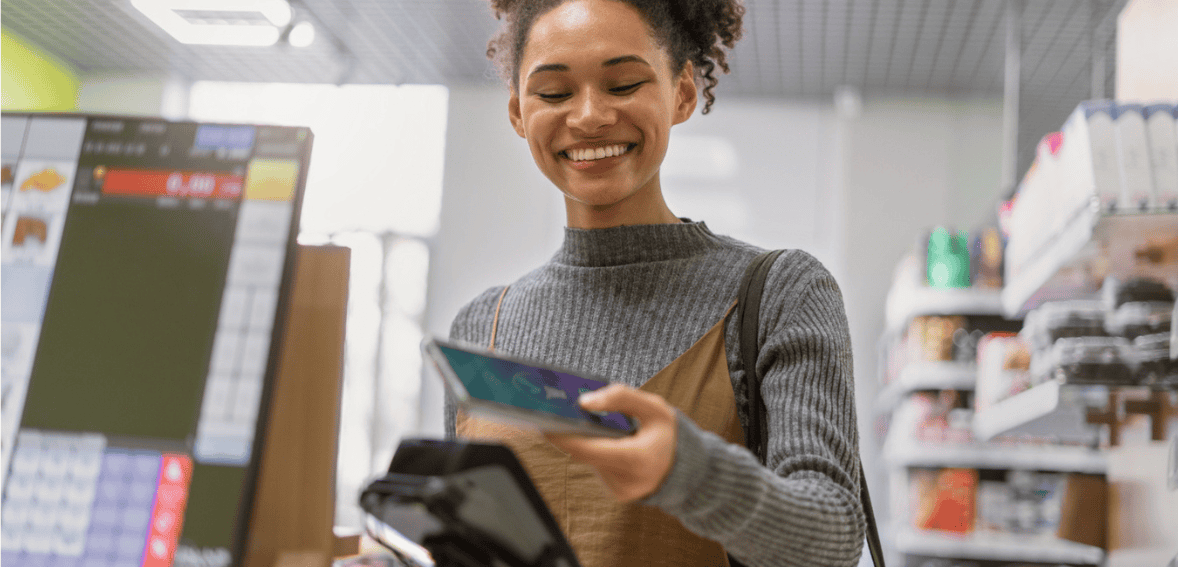
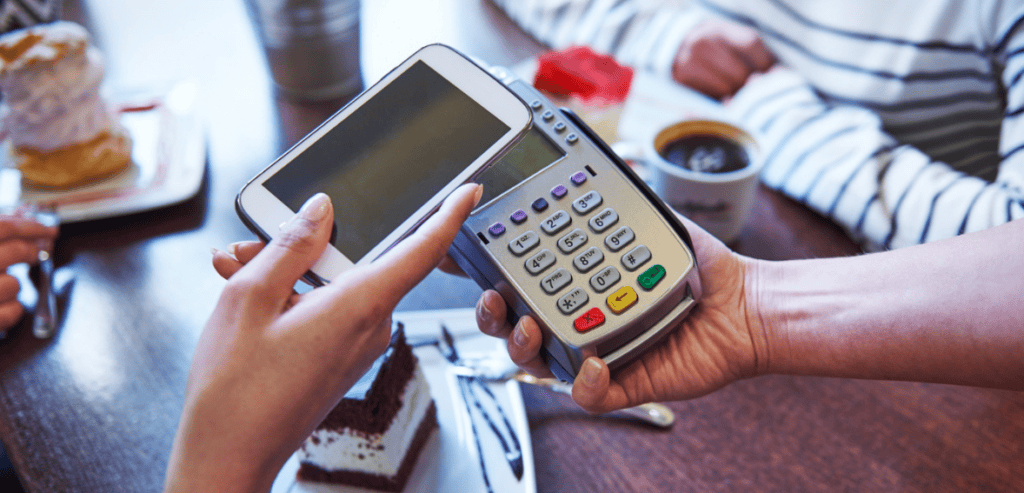
The contactless payment process has been one of the majorly adopted improvements within the checkout process in the last few years. The customers find it convenient to tap payment cards, mobile phones, and wearable technology without having to insert any card or use money.
The retailers benefit from faster transactions and easier movement of customers while the trading is at its peak. Contactless technology is a major expectation now.
Smarter POS Platforms
Modern POS systems perform far more functions than traditional cash registers. Today’s platforms integrate payment processing, inventory management, customer loyalty programmes, employee scheduling, reporting, and business analytics within unified systems.
Retailers gain valuable operational visibility while reducing reliance on disconnected software applications. Integrated systems simplify management while improving customer experiences.
The continued evolution of next generation POS technology reflects this shift toward intelligent retail platforms.
Self-Checkout Continues Expanding
Self-checkout technology has become increasingly common across supermarkets, pharmacies, convenience stores, and large retail chains. Many customers appreciate the ability to complete smaller purchases independently without waiting for staffed checkout counters.
Businesses benefit through improved customer flow while allowing employees to focus on customer service, merchandising, and operational support rather than routine payment processing.
Continued checkout innovation will likely make self-service options even more intuitive during the coming years.
AI Supports Better Decisions
AI is gradually becoming part of everyday retail operations. Rather than replacing employees, intelligent systems analyse customer behaviour, inventory levels, purchasing patterns, staffing requirements, and operational performance.
Checkout systems may eventually recommend promotions, detect unusual transactions, forecast customer demand, or optimise staffing automatically based on historical patterns.
AI represents one of the most significant retail technology trends shaping future retail operations.
Cloud-Based Retail Systems
Cloud technology allows retailers to access business information from virtually anywhere. Sales reports, inventory updates, employee performance, customer insights, and payment activity remain synchronised across multiple store locations in real time.
Cloud platforms also simplify software updates, improve scalability, and reduce dependence on local hardware infrastructure. Businesses gain greater flexibility while supporting long-term growth.
Cloud integration continues strengthening next generation POS capabilities across modern retail environments.
Omnichannel Checkout Experiences
Consumers increasingly shop across multiple channels including physical stores, websites, mobile applications, and social media platforms. They expect these experiences to connect seamlessly rather than functioning independently.
Modern checkout systems increasingly synchronise customer information, loyalty rewards, inventory availability, and purchasing history across every sales channel.
Supporting omnichannel commerce remains an important aspect of current payment technology trends.
Mobile POS Solutions
Retail staff no longer need to remain behind traditional checkout counters throughout every transaction. Mobile POS devices allow employees to assist customers throughout stores while completing purchases anywhere on the sales floor.
This flexibility reduces queues while creating more personalised shopping experiences. Mobile checkout also supports temporary events, outdoor retail, and pop-up locations.
Portable solutions continue driving practical checkout innovation across diverse retail environments.
Digital Receipts Become More Common
Paper receipts are gradually giving way to digital alternatives delivered through email, text message, or mobile applications. Customers appreciate easier record keeping while retailers reduce paper consumption and operating costs.
Digital receipts also support loyalty programmes, warranty management, and post-purchase communication without additional administrative effort.
This relatively simple improvement reflects broader retail technology trends focused on convenience and sustainability.
Stronger Payment Security
As payment systems become increasingly digital, security remains a top priority. Retailers continue investing in encryption, tokenisation, biometric authentication, fraud detection, and secure communication technologies protecting customer information throughout every transaction.
Customers expect convenience without sacrificing financial security. Modern payment systems increasingly balance both priorities successfully.
Enhanced security remains central to future payment technology trends and retail innovation.
Data-Driven Retail Management
Checkout systems generate valuable business information extending beyond payment processing. Retailers gain insights regarding customer behaviour, product performance, transaction trends, peak trading periods, and inventory movement.
Managers use this information to improve staffing, merchandising, pricing, and promotional strategies while supporting more informed decision-making.
Advanced analytics represent another important feature of next generation POS platforms.
Personalised Shopping Experiences
Modern retail technology increasingly supports personalised customer interactions. Loyalty programmes, purchase histories, shopping preferences, and promotional offers can integrate directly into checkout experiences without creating additional complexity.
Customers appreciate relevant recommendations and convenient rewards while businesses strengthen long-term relationships through personalised engagement.
Personalisation continues shaping smart checkout systems designed around customer preferences.
Faster Checkout Through Automation
Automation reduces repetitive administrative tasks associated with payment processing, inventory updates, reporting, loyalty management, and receipt generation. Employees spend less time completing manual processes while customers enjoy shorter waiting times.
Retailers benefit from improved efficiency without reducing the importance of human customer service. Automation supports employees rather than replacing them.
These efficiencies continue driving ongoing checkout innovation throughout the industry.
Sustainability Influences Technology Choices
Retailers increasingly consider environmental responsibility when investing in technology. Digital receipts, energy-efficient hardware, cloud infrastructure, and reduced paper usage all contribute to broader sustainability objectives.
Customers also increasingly appreciate businesses demonstrating environmentally responsible operational practices alongside technological advancement.
Sustainability is becoming one of the emerging retail technology trends influencing future checkout solutions.
Preparing Employees for New Technology
Successful technology implementation depends on employee understanding as much as software capabilities. Staff should receive practical training regarding new payment methods, customer assistance, troubleshooting, and operational procedures.
Confident employees help customers adapt smoothly while ensuring businesses maximise technology investments. Ongoing education remains essential as systems continue evolving.
Training supports effective use of next generation POS platforms while improving customer satisfaction.
Choosing Technology Carefully
Retailers should avoid adopting every new technology simply because it becomes available. Instead, businesses should evaluate customer needs, operational requirements, scalability, integration capabilities, security, and long-term value before making investment decisions.
Technology should solve practical business challenges while supporting sustainable growth rather than introducing unnecessary complexity.
Thoughtful planning ensures smart checkout systems deliver meaningful operational improvements.
Looking Beyond 2026
Retail technology will continue advancing through AI, computer vision, biometric authentication, Internet of Things integration, autonomous checkout, predictive analytics, and increasingly connected customer experiences.
While specific technologies will evolve, the underlying objective will remain consistent: creating faster, safer, and more convenient shopping experiences while improving operational efficiency for retailers.
Future payment technology trends will continue shaping how businesses interact with customers throughout every stage of the purchasing journey.
Conclusion
The retail checkout experience is witnessing one of the greatest revolutions in the history of business. Today’s customers expect quick, safe, flexible, and personalized transactions, whereas businesses look for new solutions which increase their efficiency and help them grow. Such an expectation cannot be fulfilled with only transaction processing. Instead, there must be an intelligent solution that will merge payments, inventory, customer service, analysis, and business management within the integrated retail environment.
Checkout innovations, changes in the technology trends in retailing, advanced next generation POS platforms, payment technology trends, and further evolution of smart checkout systems will affect the way retailers interact with their customers in 2026 and beyond.
Retailers who stay informed, act wisely, and use technology efficiently will have better chances to satisfy their customers, perform well operationally and compete in the changing retail environment. The checkout counter is not just the place where transactions are completed anymore.