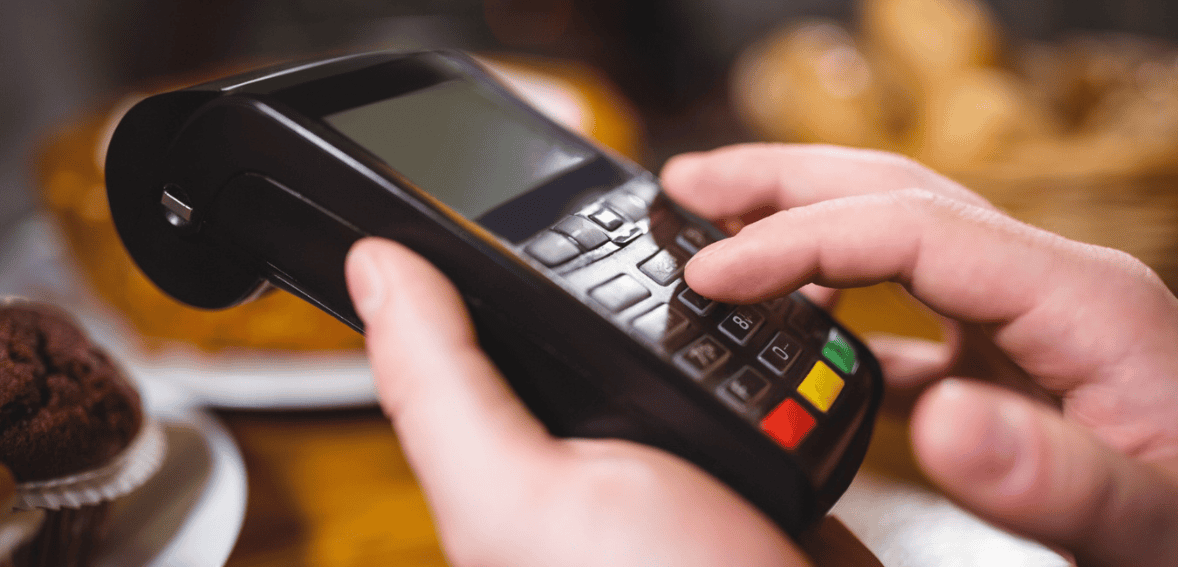
The POS counter has come a long way from being just a point where payments can be made. It is the nerve center of all operations in the modern retail, hospitality, healthcare and other services industries where sales are conducted, stock is replenished, customer interaction takes place, and all business data is recorded on the spot. With growing demands on customer service, businesses require checkout counters that are not only efficient and reliable but can handle different forms of payments while avoiding queues.
While much is said about the software, the hardware components of the POS are equally important. Any piece of hardware used for checkout contributes to transaction speed, precision and general experience of customers. Selecting the right hardware for a POS, such as reliable receipt printers, accurate barcode scanners, useful POS accessories and contemporary checkout counter technology will help any business become more efficient and create a professional checkout environment.
Why POS Hardware Matters
Even the most sophisticated POS software needs proper hardware in order to operate efficiently. In case of malfunction of payment terminals, unreliable scanning of barcodes, and failure of printers at peak times of trading, the customer will be affected adversely.
High-quality hardware enables staff members to perform transactions smoothly and without any distraction. The customer gets his/her service faster, while the company ensures efficiency and minimises errors. It becomes clear then that good POS hardware means not only buying hardware itself but building an efficient operational base for the company’s activities.
The Modern POS Counter Has Changed
Traditional checkout counters once consisted of a cash register, calculator, receipt book, and basic payment terminal. Today’s checkout environment is far more connected.
Modern counters integrate payment processing, inventory management, customer loyalty programmes, digital receipts, promotional pricing, reporting, and inventory updates into a single operational system. This level of integration requires carefully selected hardware capable of working together efficiently.
As technology evolves, businesses continue upgrading checkout counter technology to support changing customer expectations and increasingly digital retail operations.
POS Terminal or Touchscreen Computer
The most important piece of technology in almost all checkout stations is the main terminal or touchscreen computer. It is responsible for running the POS program while also offering the staff access to the catalogue of products, their prices, customer databases, inventory, and payments.
Today’s touchscreen terminals make navigation easier, enabling staff members to carry out transactions faster thanks to easy-to-use interfaces. They even offer cloud management capabilities that allow accessing the company data from different places. The best hardware for POS systems starts with choosing a reliable main terminal.
Reliable Barcode Scanners
Identification of products is among the most common activities that take place at retail counters. Barcode scanners help in improving transaction speed as well as minimize manual input errors.
Most modern scanners are capable of scanning both the normal printed barcodes and the digital codes available on mobile phones. While some scanners are made for hands-free use to increase transaction volume, others have the ability of wireless mobility. Selection of good barcode scanners requires considering a number of factors.
Receipt Printers Remain Important
Despite the rising popularity of digital receipts, there are still those customers who opt to use printed receipts for the purpose of making returns, claiming expenses, warranty or even personal record keeping.
It is therefore imperative that businesses utilize reliable receipt printers that will facilitate completion of transactions seamlessly and without delays that may be occasioned by paper jams or other issues such as slow printing speed and poor connectivity.
Another reason why thermal printers are popular is due to their quietness, maintenance ease, and printing of receipts without using ink cartridges. It is important to make sure that enough receipt paper is always available during peak times of business activities.
Payment Terminals
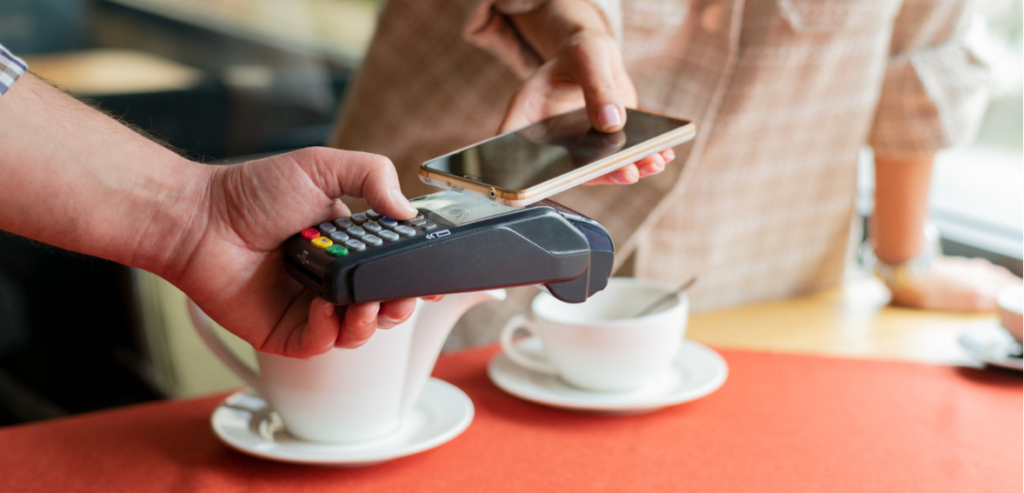
Modern payment terminals are now an indispensable element of every checkout station. Clients now expect merchants to accept debit cards, credit cards, contactless transactions, mobile payments, and other types of electronic payments.
A payment terminal needs to be seamlessly integrated into the whole POS system and capable of ensuring secure transactions and fast authorisations. Good connectivity can help reduce payment disruptions at busy moments.
While payment terminals may be given individual consideration, they still constitute an important element of the entire checkout station technology.
Cash Drawers
Even though there have been a lot of developments in digital payment technologies, cash is accepted by many businesses. A safe cash drawer is an integral component of many POS systems, allowing for organized storage of money, change, receipts, and transaction details.
Current cash drawers are fully integrated into POS software and will open automatically after a cash transaction while keeping accurate transaction data. Selection of reliable POS devices requires one to pick cash drawers that are able to endure regular daily use.
Customer Display Screens
Customer-facing displays improve transparency by allowing shoppers to review purchased items, prices, discounts, taxes, and payment totals before completing transactions.
Some displays also support promotional messages, loyalty information, digital signatures, or payment instructions. Providing customers with clear transaction visibility helps build trust while reducing pricing misunderstandings.
As businesses modernise checkout counter technology, customer displays increasingly contribute to both operational efficiency and enhanced customer experiences.
Weighing Scales
Many grocery stores, markets, delicatessens, bakeries, and specialty food retailers require integrated weighing scales as part of their checkout systems.
Connected scales automatically calculate product prices based on weight while reducing manual calculations and improving transaction accuracy. Integration with POS software further simplifies inventory management and reporting.
Businesses selling variable-weight products should ensure scales integrate effectively with existing POS hardware to maintain efficient operations.
Keyboard and Mouse Options
Although touchscreen interfaces dominate modern checkout environments, keyboards and mice remain useful in many situations. Administrative tasks, product searches, customer account management, and detailed data entry may become easier using traditional input devices.
Businesses should evaluate whether additional peripherals improve workflow based on employee responsibilities and software requirements.
Well-designed POS accessories support employee comfort while improving operational efficiency throughout the working day.
Network Equipment
Reliable network connectivity forms the backbone of modern POS operations. Payment processing, cloud synchronisation, inventory updates, and reporting all depend upon stable internet connections.
Routers, switches, wireless access points, and backup connectivity solutions contribute significantly to overall system reliability. Even excellent POS equipment performs poorly without dependable network infrastructure.
Businesses investing in checkout counter technology should evaluate networking requirements alongside visible hardware components.
Backup Power Solutions
Unexpected power interruptions can disrupt transactions, delay customer service, and potentially affect business operations. Uninterruptible power supplies provide temporary backup power, allowing businesses to complete transactions safely while protecting equipment.
Backup systems also reduce the risk of data loss or hardware damage during electrical interruptions.
Protecting valuable POS hardware includes preparing for unexpected situations that could otherwise interrupt daily operations.
Cable Management and Organisation
Efficient checkout areas require more than functional equipment. Poor cable organisation creates clutter, safety hazards, and maintenance difficulties while reducing the professional appearance of the checkout counter.
Cable organisers, mounting systems, protective covers, and equipment stands contribute to cleaner workspaces while simplifying future maintenance.
Simple POS accessories often have a surprisingly positive impact on both workplace organisation and long-term equipment management.
Label Printers
Some businesses benefit from dedicated label printers for product identification, pricing updates, inventory management, shelf labels, or barcode generation.
Retailers frequently use these printers to maintain accurate product information while supporting inventory tracking throughout the store. Warehouses and stockrooms also rely heavily on printed labels for efficient operations.
Label printing equipment complements broader checkout counter technology by supporting inventory accuracy beyond the checkout itself.
Signature Pads and Digital Input Devices
Certain industries require customer signatures for payments, agreements, warranties, or service confirmations. Digital signature devices simplify these processes while reducing paper documentation.
Many systems integrate signatures directly into transaction records, improving document management while supporting faster customer service.
These specialised POS accessories help businesses operating in sectors where signed authorisation remains an important operational requirement.
Mobile Devices and Tablets
Retail environments increasingly use tablets and mobile POS devices alongside traditional checkout counters. Employees can assist customers throughout the store, process payments remotely, check inventory, or complete orders without requiring customers to visit fixed registers.
Mobile technology expands operational flexibility while supporting personalised customer service. Wireless accessories and portable payment devices further enhance these capabilities.
Many businesses now combine traditional counters with mobile POS hardware to create more flexible customer experiences.
Security Equipment
Protecting payment systems, customer information, and physical equipment remains an important consideration for every business. Security cameras, device locks, privacy screens, secure mounting systems, and controlled access measures all contribute to safer checkout environments.
Businesses should also ensure payment terminals comply with current payment security standards while following recommended operational procedures.
Security forms an essential part of modern checkout counter technology, protecting both businesses and customers throughout every transaction.
Choosing Hardware for Your Business
Every business operates differently, making hardware selection highly dependent on operational requirements. A busy supermarket requires different equipment from a boutique clothing store, medical practice, café, or convenience shop.
Businesses should consider transaction volume, available space, customer expectations, payment methods, inventory complexity, future expansion, and integration requirements before purchasing equipment.
Selecting suitable POS accessories and core hardware should always support practical operational needs rather than simply following technology trends.
Planning for Future Growth
Businesses should view hardware purchases as long-term investments rather than short-term expenses. Choosing scalable equipment allows organisations to expand operations without replacing entire systems as business requirements evolve.
Cloud integration, modular hardware designs, wireless connectivity, and software compatibility all contribute to future flexibility. Businesses planning additional locations or increased transaction volumes particularly benefit from scalable solutions.
Well-planned POS hardware investments continue supporting operational growth for many years while reducing future replacement costs.
Maintaining Your POS Hardware
Even high-quality equipment requires regular maintenance to remain reliable. Cleaning barcode scanners, replacing receipt paper promptly, updating firmware, checking cable connections, inspecting payment terminals, and monitoring equipment performance all contribute to longer operational life.
Preventive maintenance reduces unexpected failures during busy trading periods while helping businesses avoid unnecessary repair expenses.
Regular servicing also ensures receipt printers, barcode scanners, and other essential hardware continue performing efficiently throughout daily operations.
Conclusion
The modern POS counter has become far more than a payment station. It now serves as the operational centre of many businesses, supporting sales, inventory management, customer service, reporting, and payment processing through integrated technology. Selecting the right equipment is essential for creating efficient, reliable, and professional checkout experiences that meet today’s customer expectations.
Quality POS hardware, dependable receipt printers, accurate barcode scanners, carefully selected POS accessories, and well-planned checkout counter technology all work together to improve transaction speed, reduce operational errors, and support long-term business success. By investing thoughtfully in hardware that matches operational requirements and future growth plans, businesses can build checkout environments that remain efficient, adaptable, and ready to support changing retail demands for years to come.