Retail has changed dramatically over the past decade. Customers now have more choices than ever before, both online and offline. They can compare prices instantly, switch between brands with minimal effort, and expect seamless service regardless of where they shop. In this environment, retailers are no longer competing only on product selection or pricing. The overall shopping experience has become a major differentiator.
One of the most critical elements of that experience would be the checkout process. Regardless of how visually appealing and good the merchandise of any shop or store would be, a tedious and difficult checkout experience can completely destroy the impression created by the store and its products. The delays and long lines, poor transaction processing, outdated payment methods and payment processes can ruin the shopping experience.
With changing consumer needs, speed of the checkout process became a critical element affecting customer satisfaction and loyalty as well as decision making. Consumers expect quick purchases and checkout from retailers. Those retailers that provide an opportunity to check out fast have an advantage over other stores.
Retail technology advancements allowed to improve transaction processing speed and make it more accurate and convenient for consumers. This means that checkout speed should not be treated only as a process but a business strategy.
The Changing Expectations of Modern Shoppers
Consumer expectations have been shaped by years of technological innovation. Mobile apps, digital wallets, ecommerce platforms, and on-demand services have conditioned people to expect speed in nearly every aspect of their lives.
Customers who can order groceries online in minutes or complete mobile purchases with a single tap often expect similar efficiency when visiting physical stores. Waiting in long checkout lines increasingly feels like an unnecessary inconvenience.
Retailers must recognize that customer expectations are no longer determined solely by direct competitors. Instead, they are influenced by experiences across multiple industries. A shopper who enjoys fast service from one brand may expect the same level of convenience everywhere else.
The customer checkout experience has therefore become an important measure of overall service quality. Shoppers frequently remember how easy or difficult it was to complete a purchase. Those impressions often influence future buying decisions.
As expectations continue to rise, retailers must adapt their checkout processes to meet modern standards of speed and convenience.
Why Checkout Delays Affect Customer Behaviour
Long lines during checkouts not only affect customer satisfaction but can have direct implications on their purchasing behavior and sales performance.
Customers often visit stores with tight schedules. In cases where there are long lines at the cash counters, they may choose not to make purchases. Some may even refrain from visiting the store in future, especially if they face similar problems frequently.
The negative impact of having to wait is generally larger than what retailers may think. Waiting time is sometimes perceived as larger than the actual time spent on waiting, especially if people do not know how fast they are going to go ahead.
Efficient checkouts are one way to ensure that waiting times remain short. This makes customers satisfied because they finish the purchase process in a very short period of time.
The Link Between Checkout Speed and Customer Satisfaction
Satisfaction among consumers depends on a variety of factors, which include the presence of products, price, cleanliness of the stores, interactions with employees, and convenience. The checkout process becomes even more significant since it serves as the end point of the shopping process.
The last moment creates an everlasting impression. No matter how positive the customer experiences have been, he or she will have a negative impression about everything that occurred during the shopping if the checkout process went poorly.
Positive checkout experience strengthens the customer’s perception of the value that retailer provides him or her with. Efficient process shows that a consumer is respected and valued.
The quick checkout process removes unnecessary barriers so that customers can feel comfortable making their purchases. It is likely to increase customer satisfaction and improve chances of attracting them back again.
How Technology Has Transformed Checkout Processes
Checkout has come a long way since the days of regular cash registers and manual payment options. The advent of retail payment technology has resulted in transactions being faster, more efficient, and more secure than ever before.
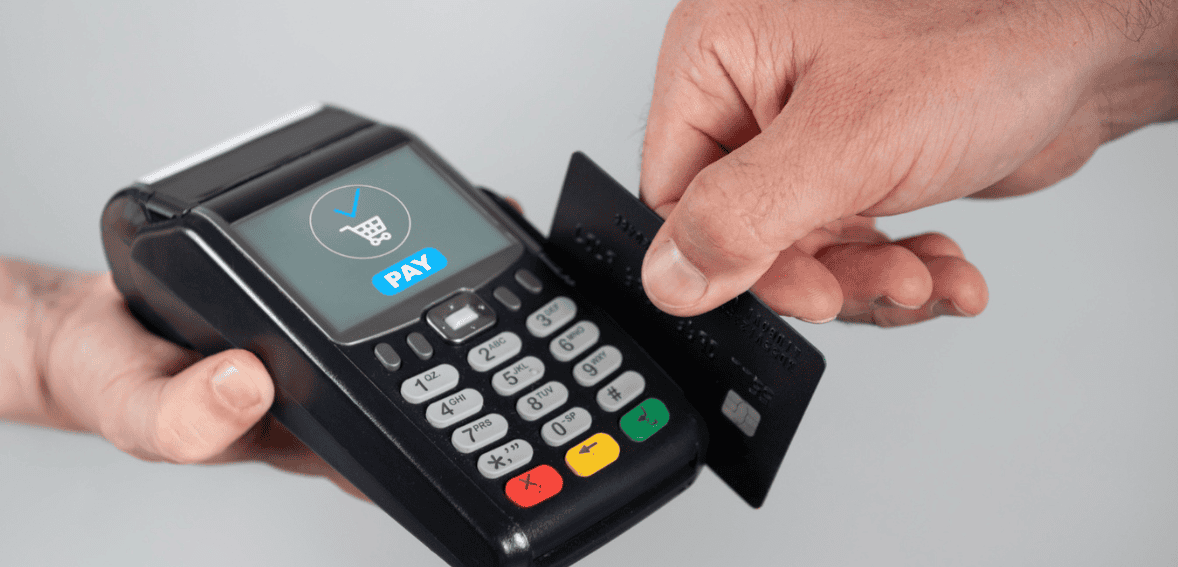
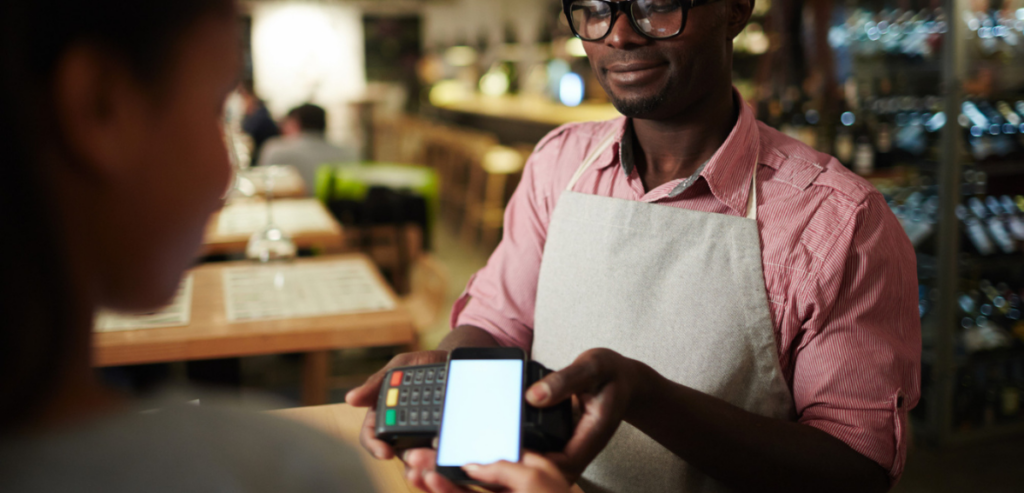
Contactless payments, digital wallets, mobile payment solutions, and POS solutions have ensured that transaction times have been greatly reduced. Customers can pay for goods using just one tap of the card or scanning it through their mobile phone.
There are benefits for the backend operations as well, as it helps automate transaction record keeping and stock updating. Not only does this ease the burden on the administration, but it also adds precision to the task. With advancements in the speed of the POS transactions, retailers are able to manage more transactions than ever before without a corresponding increase in staff numbers.
The Role of POS Systems in Transaction Speed
POS systems sit at the centre of the checkout process. Their performance directly influences how quickly transactions can be completed.
Older systems may suffer from slow processing times, limited functionality, or compatibility issues that create unnecessary delays. In contrast, modern POS platforms are designed to support rapid transaction processing and seamless integration with payment networks.
Improved POS transaction speed allows cashiers to complete sales more efficiently, reducing wait times during busy periods. Faster systems also support additional capabilities such as inventory updates, loyalty programme management, and digital receipt delivery without slowing down transactions.
Retailers that invest in updated POS infrastructure often experience noticeable improvements in checkout performance. These improvements can positively affect both customer satisfaction and operational efficiency. As transaction volumes continue growing, POS performance remains a critical factor in delivering smooth retail experiences.
Contactless Payments and Consumer Convenience
Contactless payment methods have become increasingly popular among consumers seeking faster and more convenient transaction experiences. Whether using contactless cards, smartphones, or wearable devices, customers appreciate the simplicity of tap-to-pay interactions.
These payment methods significantly reduce transaction times compared to traditional card insertion and signature-based processes. Customers can complete purchases quickly without entering lengthy information or handling cash.
Retail payment technology supporting contactless transactions also enhances convenience while maintaining strong security standards. This combination of speed and protection appeals to both businesses and consumers.
Fast checkout systems that support multiple payment options provide greater flexibility and accommodate evolving customer preferences. Shoppers increasingly expect retailers to accept modern payment methods without creating delays.
The widespread adoption of contactless payments has further elevated expectations regarding checkout efficiency.
Managing Peak Traffic More Effectively
Retailers often experience periods of intense customer activity during weekends, holidays, promotional events, and seasonal shopping periods. Managing checkout operations efficiently during these times is essential for maintaining positive customer experiences.
Long lines can quickly form when transaction processing slows down. Even small delays become magnified when large numbers of customers are waiting simultaneously.
Fast checkout systems help retailers maintain smoother operations during high-volume periods. By reducing transaction times, businesses can serve more customers without requiring additional checkout lanes.
Improved POS transaction speed contributes directly to operational scalability. Retailers can handle increased traffic while minimizing congestion and customer frustration.
Efficient checkout processes become especially valuable during peak periods when customer patience may already be limited.
The Impact on Employee Productivity
Checkout efficiency affects employees as well as customers. Slow systems can create frustration for staff members who must repeatedly manage delays, answer customer complaints, and troubleshoot transaction issues.
Modern retail payment technology helps employees perform their responsibilities more effectively by simplifying transaction processing and reducing technical obstacles.
When systems function smoothly, staff can focus more on customer service and less on administrative challenges. This often leads to improved morale and better overall workplace experiences.
Fast checkout systems also reduce pressure during busy periods by allowing employees to serve customers more efficiently. Increased productivity benefits both operational performance and customer satisfaction.
Supporting employees with effective technology creates a stronger foundation for successful retail operations.
Checkout Speed and Impulse Purchases
The checkout area often serves as an important opportunity for additional sales. Impulse purchases such as snacks, beverages, accessories, and convenience items frequently occur while customers wait to complete transactions.
However, excessively long wait times can have the opposite effect. Customers focused on delays may become impatient and less receptive to additional purchases.
A positive customer checkout experience encourages a more relaxed and favourable mindset. Customers who feel that the transaction process is moving efficiently are often more open to considering last-minute purchases.
Fast checkout systems create an environment where customers can complete purchases comfortably without feeling rushed or frustrated. This can contribute to stronger sales performance while maintaining customer satisfaction.
Retailers that balance efficiency with thoughtful merchandising often maximize the value of checkout interactions.
Supporting Omnichannel Retail Experiences
Modern retail increasingly involves multiple channels, including physical stores, ecommerce platforms, mobile applications, and pickup services. Customers expect these experiences to work together seamlessly.
Integrated retail payment technology helps retailers support omnichannel strategies by connecting inventory, payment processing, customer accounts, and loyalty programmes across channels.
Checkout efficiency remains important regardless of how customers choose to shop. Whether completing an online order, collecting a purchase in-store, or making a traditional POS transaction, customers value convenience and speed.
Fast checkout systems contribute to consistency across the customer journey. Integrated experiences reduce friction and help customers move effortlessly between channels.
As omnichannel retail continues expanding, efficient payment processes will remain a key competitive differentiator.
Building Loyalty Through Convenience
Customer loyalty is increasingly influenced by convenience. While pricing and product quality remain important, shoppers often choose retailers that make their lives easier.
A smooth and efficient customer checkout experience contributes significantly to perceptions of convenience. Customers remember businesses that respect their time and reduce unnecessary effort.
Retailers that consistently deliver fast transactions often develop stronger customer relationships over time. Shoppers become more likely to return when they know they can complete purchases quickly and reliably.
Fast checkout systems therefore support more than operational efficiency. They contribute directly to long-term customer retention and brand loyalty.
Convenience has become a competitive advantage in its own right, and checkout speed is a major part of that equation.
The Financial Benefits of Faster Checkout
Improving checkout efficiency can generate measurable financial benefits for retailers. Faster transactions allow businesses to serve more customers during operating hours, increasing revenue potential without necessarily expanding physical space.
Reduced waiting times may also decrease abandoned purchases and improve conversion rates. Customers who encounter fewer obstacles during checkout are more likely to complete transactions successfully.
Retail payment technology can further improve profitability by reducing administrative costs, minimizing errors, and supporting more efficient resource allocation.
Improved POS transaction speed contributes to overall operational effectiveness, helping retailers maximize productivity and customer throughput.
While technology investments require upfront costs, the long-term financial benefits often justify the investment through increased efficiency and stronger customer satisfaction.
Preparing for the Future of Retail
Retail continues evolving as technology advances and customer expectations change. AI, mobile commerce, biometric authentication, and automated checkout technologies are likely to further reshape transaction experiences in the coming years.
Retailers that prioritize checkout efficiency today position themselves more effectively for future innovation. Investments in modern retail payment technology create a foundation that can support emerging capabilities and changing consumer behaviours.
Fast checkout systems are becoming increasingly important as businesses compete not only on products and pricing but also on convenience and service quality.
The future of retail will likely place even greater emphasis on frictionless shopping experiences. Businesses that adapt early will be better prepared to meet evolving customer demands.
Checkout speed is no longer simply a back-office operational metric. It has become a strategic factor influencing competitiveness and growth.
Conclusion
The checkout process has evolved from a routine transaction step into a critical component of the overall retail experience. In an environment where customers value convenience, speed, and efficiency, checkout performance can significantly influence satisfaction, loyalty, and purchasing behaviour.
Fast checkout systems help retailers reduce wait times, improve service quality, increase throughput, and create more positive shopping experiences. At the same time, advances in retail payment technology and improvements in POS transaction speed allow businesses to operate more efficiently while meeting rising customer expectations.
A strong customer checkout experience contributes to repeat business, positive brand perceptions, and long-term customer loyalty. Payment efficiency has therefore become more than an operational objective. It is now a competitive advantage that helps retailers differentiate themselves in crowded markets.
As technology continues advancing and consumer expectations evolve, businesses that prioritize checkout speed will be better positioned to succeed. In today’s retail landscape, how quickly customers can complete their purchases may be just as important as what they choose to buy.