By Derrick Malone June 25, 2026
The way businesses accept payments has changed dramatically over the past decade. Customers now expect quick, convenient, and secure payment experiences whether they are shopping in a retail store, dining at a restaurant, attending an event, or making purchases at a market stall. As consumer expectations evolve, businesses are rethinking the tools they use to process transactions and manage sales.
Among many choices business owners often need to make, one of the most significant ones is whether to opt for a mobile POS system or traditional payment terminal. Although both types provide the opportunity to receive card payments, their functional capabilities, flexibility, prices, and implications on business performance differ from each other greatly. While something works wonderfully for one company, it does not necessarily mean it will work great for others.
Smartphones, tablets, cloud-based software and contactless payment solutions have driven rapid development of mobile payments technology; yet at the same time a lot of companies continue using traditional terminals due to their reliability, convenience, and simplicity. To choose the most appropriate payment method, it is vital to understand the peculiarities of each.
Correctly chosen payment methods will positively influence customer services, operational efficiency, company expansion, and its performance in general. However, the wrong choice can lead to additional costs, troubles and problems for business. This article focuses on the main difference between these two methods to help you choose the right one.
Understanding Traditional Payment Terminals
For many years, traditional payment terminals have been the standard method of accepting card payments. These devices are commonly found at checkout counters in retail stores, supermarkets, pharmacies, restaurants, and service businesses. Their primary purpose is to process debit and credit card transactions quickly and securely.
Traditional payment terminals are generally designed as dedicated hardware devices that connect through wired networks, broadband connections, or cellular networks. They focus primarily on payment acceptance rather than broader business management functions. Employees enter the transaction amount, customers tap, insert, or swipe their cards, and the payment is processed.
Many businesses appreciate traditional payment terminals because they are familiar and easy to use. Staff training requirements are often minimal, and the devices typically offer reliable performance. Businesses that operate from a fixed location frequently find that these terminals provide everything they need for everyday payment processing without additional complexity.
While these systems remain highly effective for many businesses, changing customer expectations and technological advancements have encouraged companies to explore more flexible alternatives.
What Are Mobile POS Systems?
The mobile POS systems have revolutionized the way payments are accepted since they do not depend entirely on the payment hardware. They incorporate the payment acceptance and the software in a single mobile device such as a smartphone or tablet.
A typical mobile POS system includes a card reader and software that handles transaction processing, inventory management, customers’ information, sales reports, and many other aspects of operation. The system, therefore, becomes much more than just an option for accepting payments.
Mobile POS allows businesses to process payments almost anywhere since staff members can perform transactions at the shop floor, at the customer table, at an outside event, delivery point, or even when moving from one place to another. This mobility is one of the reasons why mobile technology is becoming increasingly popular. As most of the mobile POS systems are cloud-based, business owners can get access to sales figures, inventory details, and many other reports about the operations of the business from anywhere.
The Growing Demand for Flexible Payment Solutions
Consumer behaviour has changed significantly in recent years. Customers increasingly expect fast service, shorter queues, and multiple payment options. Businesses that can meet these expectations often create more positive customer experiences.
The growth of contactless payments has contributed to rising demand for flexible payment technology. Customers appreciate the speed and convenience of tapping a card or mobile wallet instead of handling cash. Businesses benefit from quicker transactions and reduced checkout friction.
Many companies are also operating in environments where mobility matters. Food trucks, market vendors, pop-up stores, delivery services, mobile service providers, and event organisers all require payment solutions that can move with the business. Portable card machines have become especially valuable in these situations because they allow transactions to take place wherever customers are located.
Even traditional retailers are embracing mobility. Staff equipped with wireless payment devices can assist customers throughout the store, reducing congestion at fixed checkout counters and improving overall service efficiency.
Comparing Hardware Requirements
One of the main distinctions between the two lies in the hardware used. The classic solution usually relies on dedicated devices used only to process payments. Such terminals are installed in one place and are attached to a cash register or another type of work station.
As such hardware is used only for the purposes of processing payments, the company will need more equipment for performing other tasks like inventory management, reporting, customer relations management or scheduling of employees.
Mobile POS technology uses mobile devices like tablets or smartphones for interfacing. Processing of payments is performed by small card readers which connect wirelessly to the mobile device. As the software usually unifies several business processes in one solution, there will be less systems in use. It may provide certain benefits for many companies. Using one interface for performing different tasks may prove to be more effective for growing businesses.
Mobility and Business Flexibility
Mobility might be considered the first benefit which modern payment technology provides. Usually, traditional terminals are installed in a particular place and are suitable for companies which use a permanent cash desk and do not have changing customers.
Nevertheless, some businesses cannot perform their activity in the same location. The ability to perform transactions in any place where the customers are located is a great asset for many organizations.
The restaurant can accept payments at tables, sales associates can complete transactions on the entire selling area, and the professional can get money right after performing his work. Mobile POS allows completing transactions wherever you are located and does not require any infrastructure.
Portable card machines allow overcoming the limitations of the checkout area and increase the level of flexibility in performing transactions. Customers like the possibility of such service, while the businesses can provide their services faster and complete more transactions. The factor of mobility might be crucial for the companies which work in different places.
Features Beyond Payment Processing
Payment acceptance is only one part of running a successful business. Inventory tracking, employee management, customer engagement, sales analysis, and reporting all play important roles in daily operations.
Traditional payment terminals generally focus on transaction processing. While some advanced models offer additional capabilities, their primary purpose remains accepting payments securely and efficiently.
Mobile POS systems typically provide a much broader feature set. Many platforms include inventory management tools that automatically update stock levels after each sale. Customer databases can track purchasing behaviour and support loyalty programmes. Sales dashboards provide real-time performance insights that help owners make informed decisions.
Because business information is often stored in the cloud, managers can review performance data from virtually anywhere. This level of visibility can improve decision-making and support long-term growth strategies.
Businesses looking for an all-in-one operational platform often find that mobile technology offers capabilities beyond what traditional payment terminals can provide.
Cost Considerations
Cost is a major factor when evaluating payment technology. Traditional payment terminals often involve hardware purchase costs, rental agreements, maintenance fees, and payment processing charges. While these expenses vary by provider, businesses should carefully evaluate total ownership costs.
Mobile POS systems may offer lower initial hardware expenses because they can utilise existing smartphones or tablets. Compact card readers are often less expensive than dedicated payment terminals, reducing upfront investment requirements.
However, software subscriptions may be required to access advanced features. Businesses should evaluate not only hardware costs but also ongoing software fees, transaction charges, and support expenses.
The most affordable option depends largely on the size and nature of the business. A small mobile operation may benefit from the lower entry costs associated with wireless POS technology. Larger businesses with stable checkout environments may find traditional systems cost-effective depending on their operational requirements.
A comprehensive cost analysis should consider both immediate expenses and long-term value.
Customer Experience and Checkout Speed
Customer experience has become a key competitive differentiator across industries. Long queues, complicated payment processes, and delayed transactions can negatively affect customer satisfaction.
Traditional payment terminals provide a familiar checkout experience that many customers recognise instantly. In fixed retail environments, this approach often works very well and supports efficient transaction processing.
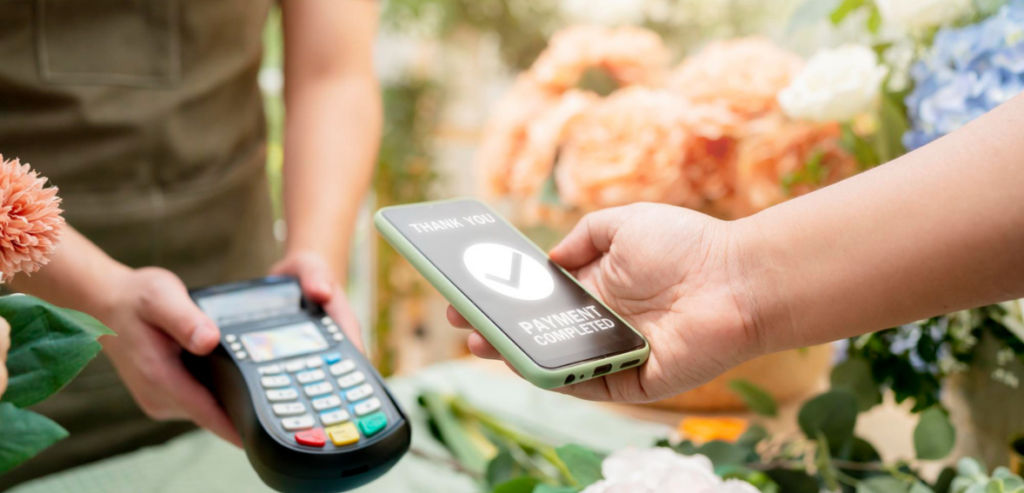
Mobile POS systems can further enhance convenience by bringing the checkout process directly to the customer. Instead of waiting in line, customers may complete transactions wherever assistance is provided. This can reduce perceived wait times and create a more personalised shopping experience.
Mobile checkout solutions are particularly valuable during busy periods when traditional checkout counters become congested. Businesses can deploy additional staff equipped with mobile devices to process transactions throughout the premises.
Faster service not only improves customer satisfaction but may also increase sales opportunities by reducing abandonment caused by long waits.
Security and Reliability
Security remains a critical consideration for any payment system. Customers expect their financial information to be protected regardless of how transactions are processed.
Traditional payment terminals have a long history of secure transaction processing and often meet stringent industry security standards. Their dedicated hardware design can contribute to reliability and stability.
Modern mobile POS systems also incorporate strong security measures, including encryption, tokenisation, secure cloud infrastructure, and compliance with payment industry requirements. Reputable providers invest heavily in protecting customer data and maintaining secure transaction environments.
Reliability depends not only on the technology itself but also on internet connectivity, software updates, and provider support. Businesses should evaluate vendor reputation, security certifications, and technical support capabilities before making a decision.
Whether using traditional payment terminals or mobile technology, selecting a trusted provider is essential for maintaining customer trust and operational continuity.
Which Businesses Benefit Most from Traditional Terminals?
Traditional payment terminals remain an excellent choice for many organisations. Businesses with fixed checkout locations, predictable customer traffic, and straightforward payment processing requirements often find these systems perfectly adequate.
Supermarkets, convenience stores, pharmacies, and certain professional service providers may not require extensive mobility or advanced business management features. For these organisations, simplicity and reliability may outweigh the benefits of more complex systems.
Businesses with established workflows built around fixed checkout counters may also prefer traditional technology because it aligns with existing operational processes. Staff familiarity can reduce training requirements and simplify day-to-day management.
While newer technologies continue gaining popularity, traditional systems remain highly relevant for businesses whose operational needs are relatively straightforward.
Which Businesses Benefit Most from Mobile POS Systems?
Businesses that prioritise flexibility, mobility, and integrated operations often gain significant advantages from mobile POS systems. Restaurants, cafés, market vendors, event organisers, delivery services, beauty professionals, and field service businesses frequently benefit from mobile functionality.
Retailers seeking to modernise customer experiences may also find value in mobile technology. Staff can assist customers throughout the store, complete purchases instantly, and access inventory information without returning to a central workstation.
Growing businesses often appreciate the scalability of cloud-based platforms. Additional devices, locations, and users can frequently be added with minimal disruption, supporting expansion efforts.
Wireless POS solutions are particularly attractive for organisations that value real-time reporting, remote management capabilities, and operational flexibility.
Making the Right Choice for Your Business
There is no universal answer when comparing mobile POS systems and traditional payment terminals. The right solution depends on how your business operates, how customers interact with your services, and what level of functionality you require.
Businesses should begin by evaluating their current payment processes and identifying any operational challenges. If mobility, inventory visibility, customer management, and remote access are important priorities, mobile technology may offer significant advantages. If payment processing needs are simple and largely confined to a fixed location, traditional solutions may remain the best fit.
Future growth plans should also be considered. A payment system that meets today’s needs may not support tomorrow’s expansion goals. Choosing a solution that can adapt alongside the business often provides greater long-term value.
The decision ultimately comes down to balancing flexibility, functionality, cost, and customer experience in a way that supports both current operations and future objectives.
Conclusion
The payment landscape continues to evolve as businesses seek more efficient ways to serve customers and manage operations. Traditional payment terminals remain reliable, familiar, and effective for many fixed-location businesses. Their simplicity and proven performance continue to make them a valuable option across numerous industries.
At the same time, mobile POS systems are transforming how businesses approach payment processing and operational management. By combining payment acceptance with broader business tools, they offer flexibility, mobility, and real-time insights that many modern organisations find valuable.
Portable card machines, wireless POS technology, and advanced mobile checkout solutions have expanded the possibilities for businesses seeking greater convenience and operational efficiency. The choice between these options depends on individual business requirements, customer expectations, and growth objectives.
By carefully evaluating your operational needs, budget considerations, and long-term goals, you can select a payment solution that supports both customer satisfaction and business success. Whether you choose traditional payment terminals or embrace the flexibility of modern mobile technology, the most effective system will always be the one that aligns closely with how your business serves its customers.