
Paying for everyday purchases has become faster and more convenient than ever before. A few years ago, most consumers still relied on cash or inserted their cards into payment terminals using chip technology. Today, millions of people simply tap a card, smartphone, or smartwatch to complete transactions within seconds. Contactless payments have become a normal part of daily life in supermarkets, restaurants, pharmacies, retail stores, public transportation, and many other businesses around the world.
Even though the tap-to-pay cards constitute one of the most popular types of contactless payment solutions, it is only one piece of an extensive revolution occurring within the payments industry. Technologies are developing the process of paying for goods and services in terms of flexibility, security, and integration into daily life through the use of various innovative approaches.
Companies are responding to changing needs of their customers by building the payment infrastructure that will be able to accommodate innovative payment solutions that are coming to the market.
The knowledge of the future of contactless payments will help businesses adapt to the evolving preferences of their customers and at the same time allow consumers to understand the technology that shapes the future of payment solutions.
How Contactless Payments Have Evolved
The payments industry has changed dramatically over the past two decades. Cash transactions gradually gave way to debit and credit cards, followed by chip-enabled cards that improved transaction security. Contactless technology then simplified the payment process even further by allowing customers to tap compatible cards without inserting them into terminals.
This evolution significantly reduced transaction times while improving convenience for both businesses and customers. Consumers quickly adopted contactless payments because they minimized waiting time during checkout while remaining familiar and easy to use.
Today, the future of contactless payments extends well beyond physical payment cards. Digital technology is creating entirely new ways to authorize transactions without traditional wallets or cash.
The payment experience continues becoming faster, more flexible, and increasingly integrated into daily life.
Why Consumers Prefer Contactless Payments
Convenience is one of the major factors behind the acceptance of contactless payments. In lieu of counting money or using card readers to insert cards, consumers simply need to use their compatible devices to carry out transactions within seconds.
Speed is particularly important in crowded stores, where shorter transaction periods mean no waiting in lines for customers.
Consumers are glad to avoid the hassle of handling cash or exchanging payment cards every time.
As consumers become more familiar with contactless technology, expectations of payment convenience only get higher.
Payment experience is now seen as an important factor that impacts consumer satisfaction. Thus, the acceptance of contactless transactions has pushed further payment innovation.
Digital Wallets Continue Expanding
One of the major breakthroughs that have happened in recent times has been the growing trend of adopting smartphone-based payment applications.
With digital wallet payments, it is possible for customers to have their multiple payment cards saved securely inside the mobile phones.
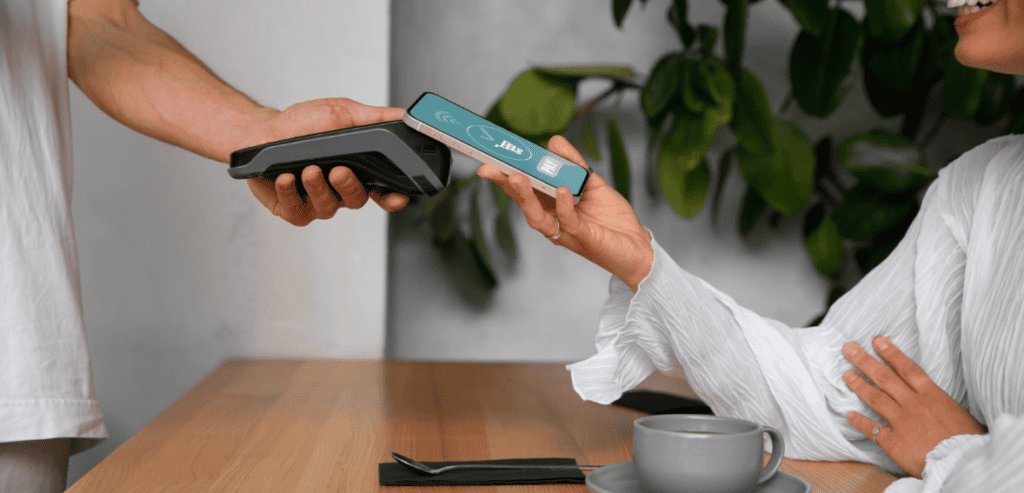
Instead of having a wallet wherever they go, customers are able to make their payments using their smartphones or smartwatches fitted with contactless technology.
In addition, it is much easier for customers to make online payments since the details of the payment will be stored securely for future uses.
The benefit of being able to have everything related to loyalty cards, boarding passes, tickets, and payment options in a single application is greatly appreciated by consumers.
The Role of Near Field Communication Technology
Near Field Communication, commonly known as NFC, forms the foundation of many modern contactless payment systems. NFC enables compatible devices to exchange information securely over very short distances during payment transactions.
Most tap-to-pay cards, smartphones, wearable devices, and payment terminals now support NFC technology.
Current NFC payment trends suggest broader adoption across industries beyond traditional retail, including transportation, hospitality, healthcare, entertainment, and education.
Businesses increasingly invest in NFC-compatible payment infrastructure because it supports multiple payment methods through one terminal.
This flexibility benefits both retailers and consumers as payment preferences continue evolving.
Mobile Payments Go Beyond Smartphones
While smartphones play an important role in facilitating mobile payments at present, innovations for future payment systems go beyond mobile devices alone.
Smartwatches, fitness trackers, and other wearable devices provide payment authentication capability.
Users find it convenient to be able to make payments without their wallets and without the use of smartphones.
Innovations in mobile payment systems continue to evolve as device manufacturers create smaller and more versatile smart devices for secure payments.
Wearable payments illustrate that payment technology becomes a part of users’ daily routines rather than being a separate process. The convenience factor plays a crucial role here.
The Rise of Touchless Checkout Experiences
Retailers continue searching for methods of making checkouts faster while minimizing waiting time for their customers.
Touchless checkouts are not limited to just swiping payment cards. Many companies now enable customers to scan goods, pay through applications, or even purchase goods without any effort by using advanced technologies available at the retail stores.
This provides a smooth checkout experience for consumers while enabling store staff members to give more attention to providing good customer service instead of performing transactions. Customers today prefer shopping experiences that are convenient throughout rather than merely while paying.
Biometrics and Payment Authentication
Passwords and PIN numbers may gradually become less prominent as biometric authentication becomes more common.
Fingerprint recognition, facial recognition, and other biometric technologies already help secure many smartphones used for digital wallet payments.
These technologies verify customer identities while maintaining convenient payment experiences.
Future developments may expand biometric authentication across additional payment environments, improving both security and usability.
Consumers generally appreciate authentication methods that eliminate the need to remember multiple passwords while maintaining strong protection.
Biometric technology continues supporting the evolution of secure contactless payments.
Connected Devices and Invisible Payments
Payments in the future might happen automatically via connected technologies.
Future automobiles might be able to pay for parking fees, charging, and tolls automatically.
Future appliances may place orders for household items once supplies get depleted.
These examples show innovations in mobile payments where payment gets integrated seamlessly within the process.
Consumers today look for services that eliminate all unnecessary paperwork.
Payment invisibility ensures convenience but does not neglect secure payment processing. Technology keeps making payments invisible and efficient at the same time.
Benefits for Businesses
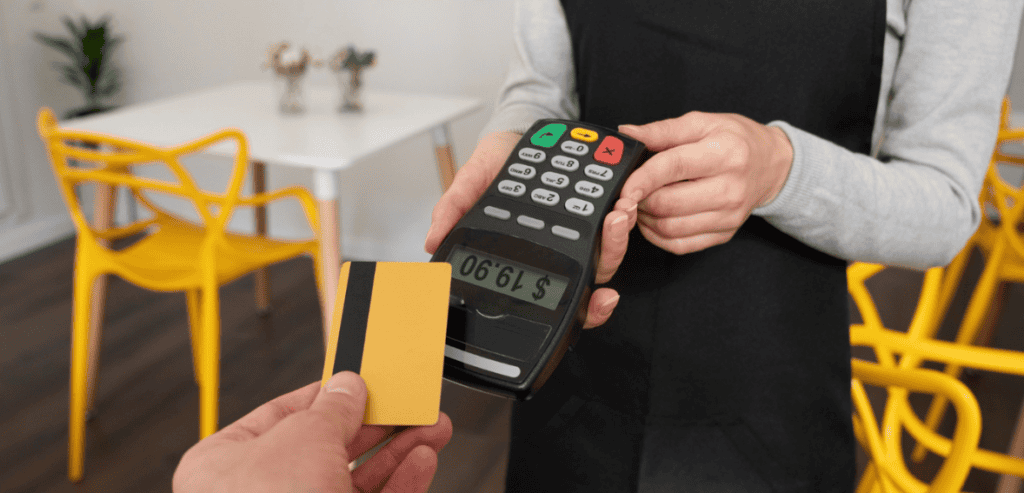
Businesses benefit significantly from adopting modern payment technologies. Faster transactions reduce queues, improve operational efficiency, and enhance customer satisfaction.
Supporting multiple payment methods also helps businesses serve broader customer preferences while remaining competitive.
The future of contactless payments encourages retailers to invest in flexible payment infrastructure capable of supporting both current and emerging technologies.
Modern payment terminals often accommodate physical cards, smartphones, wearables, and digital wallets simultaneously.
Businesses that embrace evolving payment capabilities position themselves for changing consumer expectations.
Technology investments frequently support both operational efficiency and customer loyalty.
Security Remains a Priority
Although payment technology continues evolving rapidly, security remains a central priority throughout the industry.
Modern contactless payment systems incorporate encryption, tokenization, secure authentication, and fraud monitoring designed to protect sensitive financial information.
Digital wallet payments often enhance security because actual card numbers may not be transmitted directly during transactions.
Consumers also gain additional protection through biometric authentication and device-level security features.
Payment providers continue investing heavily in cybersecurity as digital payment adoption expands.
Balancing convenience with security remains essential for long-term customer confidence.
How Retailers Are Preparing
Retail businesses increasingly recognize that payment technology influences overall customer experience.
Rather than viewing payment terminals simply as transaction devices, many retailers now consider them important components of broader customer engagement strategies.
Current NFC payment trends encourage businesses to adopt flexible payment hardware capable of supporting future software updates and additional payment methods.
Retailers also evaluate cloud connectivity, customer loyalty integration, digital receipts, and inventory synchronization when upgrading payment systems.
Preparing today helps businesses remain competitive as payment expectations continue evolving.
Technology decisions increasingly support long-term operational flexibility.
Challenges Ahead
Despite rapid progress, payment innovation continues facing several challenges.
Businesses must balance technology investments with operational costs while ensuring compatibility across different payment platforms.
Consumers also require confidence that emerging payment methods remain secure, reliable, and easy to use.
Regulatory requirements, privacy considerations, and evolving cybersecurity risks continue influencing payment technology development.
Successful touchless checkout experiences depend not only on technical capability but also on customer trust and widespread acceptance.
Continued collaboration between financial institutions, technology providers, retailers, and regulators remains important.
Thoughtful implementation supports sustainable innovation.
What Consumers Can Expect in the Future
Consumers will likely experience payment systems becoming increasingly integrated into daily routines rather than existing as separate activities.
More businesses will support digital wallet payments, wearable devices, biometric authentication, and flexible checkout experiences.
Mobile payment innovation may also expand across transportation, healthcare, hospitality, entertainment, education, and public services.
At the same time, improvements in NFC payment trends will continue supporting faster, more reliable transactions across both physical and digital environments.
The overall objective remains consistent: making payments simpler, safer, and more convenient for everyone involved.
Future developments will likely focus on reducing friction while maintaining strong security.
Preparing Businesses for Tomorrow
Businesses should avoid viewing payment technology as static infrastructure. Consumer expectations evolve continuously, requiring payment systems capable of adapting over time.
Selecting flexible hardware, cloud-enabled software, and scalable payment platforms helps organizations prepare for future developments without requiring complete system replacement.
Investments supporting the future of contactless payments often provide operational benefits immediately while creating long-term adaptability.
Business owners should regularly evaluate emerging payment capabilities alongside customer preferences and operational requirements.
Technology planning should focus on both current needs and future opportunities.
Forward-thinking preparation supports sustainable business growth.
Conclusion
Contactless payments have already transformed the way consumers complete everyday purchases, but tap-to-pay cards represent only the beginning of a much broader evolution. Payment technology continues advancing toward experiences that are faster, smarter, more flexible, and increasingly integrated into daily life.
The future of contactless payments will be shaped by expanding digital wallet payments, evolving NFC payment trends, continued mobile payment innovation, and increasingly seamless touchless checkout experiences across multiple industries. Consumers will benefit from greater convenience and stronger security, while businesses will gain opportunities to improve operational efficiency and customer satisfaction.
As technology continues evolving, successful payment systems will focus not only on processing transactions but also on creating smooth, intuitive experiences that fit naturally into everyday activities. Organizations that invest in adaptable payment infrastructure today will be better prepared for tomorrow’s innovations, while consumers can expect payment experiences that become increasingly simple, secure, and virtually effortless in the years ahead.